The Ultimate Guide to the K-Pop Phenomenon

- What is K-Pop? Unpacking the Definition
- The Golden Rules of the K-Pop Industry
- The History & The Heroes Who Started It All
- The Power of the Fandom
- What the Experts Say
- Summary: Stream Your Perfect K-Pop Mood
- FAQ
If you have spent any time on the internet, turned on a major music awards show, or scrolled through social media over the last few years, you have encountered it. A dazzling blend of hyper-energetic melodies, stunningly synchronized choreography, and larger-than-life visuals. This is K-Pop (Korean pop music), and it is no longer just a local musical style—it is a full-blown global culture shift.
While many western listeners think K-Pop is a sudden modern trend, it is actually a highly sophisticated industry built on decades of history, meticulous training, and deep cultural roots. But what exactly defines K-Pop, how did it conquer the world, and what makes it so uniquely addictive? Let’s break it down in true, fan-first style.
What is K-Pop? Unpacking the Definition
At its most basic level, K-Pop stands for Korean popular music, originating primarily from South Korea. However, calling it just “pop music” is a massive understatement.
K-Pop is a highly collaborative, audio-visual experience. It seamlessly blends a massive variety of western musical genres—including hip-hop, R&B, electronic dance music (EDM), rock, and traditional pop—and packages them with flawless imagery.
The phenomenon is the crown jewel of the Hallyu Wave (the Korean Wave), a term used to describe the meteoric global spread of South Korean culture, including K-Drama shows, beauty products, and cuisine. For an in-depth look at how this sound evolved from a local scene into a worldwide powerhouse, you can check out the breakdown of its trajectory on Soundstripe’s Analysis of the Rise of K-Pop.
The Golden Rules of the K-Pop Industry

What separates a standard pop group from a true K-Pop group? The industry runs on a highly organized ecosystem built around three essential, non-negotiable pillars:
The Essential Pillars of K-Pop:
- The Concept and Visual Storytelling: Every time a K-Pop group releases new music, it is called a “comeback.” Each comeback features a completely new aesthetic concept—ranging from futuristic sci-fi warriors to retro 90s school themes—complete with interconnected storylines across music videos.
- Insane Synchronized Dancing: K-Pop tracks are famous for intricate point-dances (memorable, highly addictive hook movements). Groups spend endless hours practicing until every member’s hand angle and footstep matches perfectly.
- The Idol Training System: Before setting foot on a stage, aspiring stars join major entertainment labels as “trainees.” They undergo years of intense daily classes in singing, rapping, dancing, media training, and foreign languages.
To see how the K-Pop framework stacks up against traditional Western pop music, check out this comparative overview:
| Feature / Vibe | Global K-Pop Infrastructure | Traditional Western Pop |
| Industry Core | Complete audio-visual package and concepts | Audio-first single releases |
| Performance Focus | Flawless, highly synchronized team choreography | Individual stage presence and live freestyle |
| Fan Interaction | Lightsticks, fan-chants, community apps | Standard concert touring and social posts |
| Release Strategy | Scheduled “Comebacks” with mini-albums and concepts | Long-lead album cycles with singles |
The History & The Heroes Who Started It All
The modern K-Pop industry is generally split into generational eras, each pushing the boundaries of style and global reach.
The Spark: 1st Generation (The 1990s)
The literal birth of modern K-Pop happened on April 11, 1992, when a trio named Seo Taiji and Boysperformed on a Korean TV talent show. They blended American hip-hop breaks and breakdancing with Korean lyrics. While the judges hated it, youth culture went wild. Shortly after, pioneering entertainment agencies created the very first manufactured idol groups, like the legendary boy band H.O.T. Official Archives and girl group S.E.S.
The Expansion: 2nd & 3rd Generation (The 2000s–2010s)
This era brought K-Pop beyond Korean borders. Tracks like “Gee” by Girls’ Generation and the viral internet explosion of “Gangnam Style” by PSY proved that Korean music could cross cultural boundaries. Soon after, the 3rd generation unleashed global titans like BTS and BLACKPINK, who shattered records on Billboard, Spotify, and YouTube, filling massive stadiums across the Americas and Europe.
The Power of the Fandom
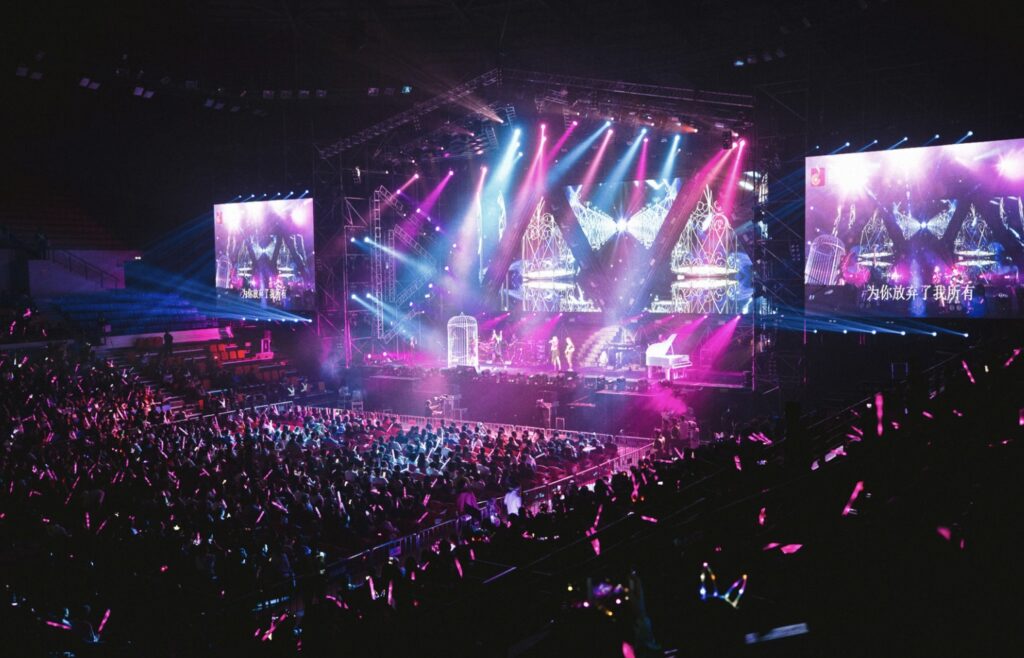
You cannot talk about K-Pop without talking about the fans. K-Pop fandoms are widely recognized as some of the most organized, passionate, and digitally savvy communities on the planet.
Instead of being passive listeners, fans actively participate in a group’s success. Fandoms have unique names (like BTS’s “ARMY” or BLACKPINK’s “BLINK”) and collect custom-designed glowing “lightsticks” for concerts. They organize massive global streaming campaigns to push their favorite artists to the top of the charts and even band together for philanthropic global charity work.
What the Experts Say
Cultural researchers emphasize that K-Pop’s global dominance is the result of brilliant structural design rather than accidental luck. In analyzing the global appeal of the genre, media scholar and pop culture author Dr. Suk-Young Kim notes:
“K-Pop is not simply music; it is a highly sophisticated industry of human perfection. The seamless combination of dance, fashion, visual world-building, and intense fan loyalty creates an emotional investment that western pop rarely replicates.”
Summary: Stream Your Perfect K-Pop Mood
At the end of the day, K-Pop is a beautiful celebration of energy, boundless creativity, and flawless performance. It is a genre that offers something for everyone, whether you want heavy hip-hop beats, smooth R&B vocals, or bright dance floor anthems.
If you are ready to dive headfirst into the Hallyu Wave or simply want to elevate your daily soundtrack with the best beats Seoul has to offer, you don’t need to search through thousands of tracks. In Moodby, we have curated three distinct, premium channels that perfectly match your vibe:
- 🔥 Craving the ultimate high-energy anthems? Stream our flagship station on the Moodby K-Pop Hits Playlist for the absolute biggest global chart-toppers.
- 👑 Want to experience the true foundation of the genre? Dive into classic tracks and beloved fan-favorites on the Moodby K-Pop Icons Playlist.
- ☕ Looking for a more relaxed, late-night acoustic vibe? Sit back and unwind with the smooth, jazzy sounds of the Moodby K-Pop Chill Playlist.
FAQ
What does “Hallyu” mean in relation to K-Pop?
Hallyu translates literally to “The Korean Wave.” It is a cultural term used to describe the massive global popularity of South Korean culture—spanning K-Pop music, K-Dramas, movies, beauty trends, and food—which began expanding internationally in the late 1990s.
Why do K-Pop groups have so many members?
Unlike Western bands, which usually have 3 to 5 members, K-Pop groups frequently have 7, 9, or even more members. This is a deliberate strategy. Having more members allows the group to showcase incredibly complex, geometric dance formations on stage, and ensures there is a wide variety of personalities so every fan can find a favorite member (known as a “bias”).
What is a K-Pop “Comeback”?
In the western music world, an artist releases an album and tours for two years. In K-Pop, a “comeback” is a highly anticipated event where a group drops a new single or mini-album (often just a few months after their last one). A comeback always introduces a completely fresh visual theme, unique stage costumes, and new choreography.
Do K-Pop idols write their own music?
It varies by group. While the early generations relied entirely on specialized in-house producers, many modern K-Pop idols (such as members of BTS, Stray Kids, and SEVENTEEN) are heavily involved in writing lyrics, composing melodies, and producing their own tracks.
What are Fan-Chants?
Fan-chants are rhythmic words, member names, or lyrical responses shouted in unison by the audience during a live K-Pop performance. They are officially created by the music labels and taught to the fandom beforehand so that the crowd becomes an active part of the live show.