Sail Away: The Ultimate Guide to the Yacht Rock Phenomenon
- What is Yacht Rock? Unpacking the Term
- The Golden Rules of “Smooth”
- The Kings of the Coast: Essential Artists
- The Grand Resurgence: Why It’s Hot Again
- Stress Mitigation: The Downregulation of Cortisol
- Summary: Setting Sail With Your Daily Soundtrack
- FAQ
Imagine this: you’re cruising down a sun-drenched coastal highway, the breeze is in your hair, and a flawlessly polished melody fills the car. The vocals are silky smooth, the beat gently sways, and a warm electric piano wraps around you like a summer blanket. You are listening to Yacht Rock.
While the name started as a lighthearted internet joke, yacht rock has grown into one of the most celebrated and analyzed musical eras in pop culture. Today, music streaming platforms and fans worldwide recognize it as a golden standard of pure studio perfection. But what exactly defines this breezy wave of sound, who made it famous, and why is everyone suddenly obsessed with it again? Let’s dive in.
What is Yacht Rock? Unpacking the Term
To understand yacht rock, we have to look back at a very specific window in music history: roughly between 1975 and 1984.
The musicians who created this music never actually used the words “yacht rock.” Back in the late 1970s, it was simply called West Coast sound or adult contemporary. The legendary name was actually born in 2005 when writers J.D. Ryznar, Hunter Stair, and David Lyons created a hilarious online video series called Yacht Rock. The parody episodes poked fun at the elite, drama-filled studio collaborations of artists like Michael McDonald, Kenny Loggins, and the band Steely Dan.
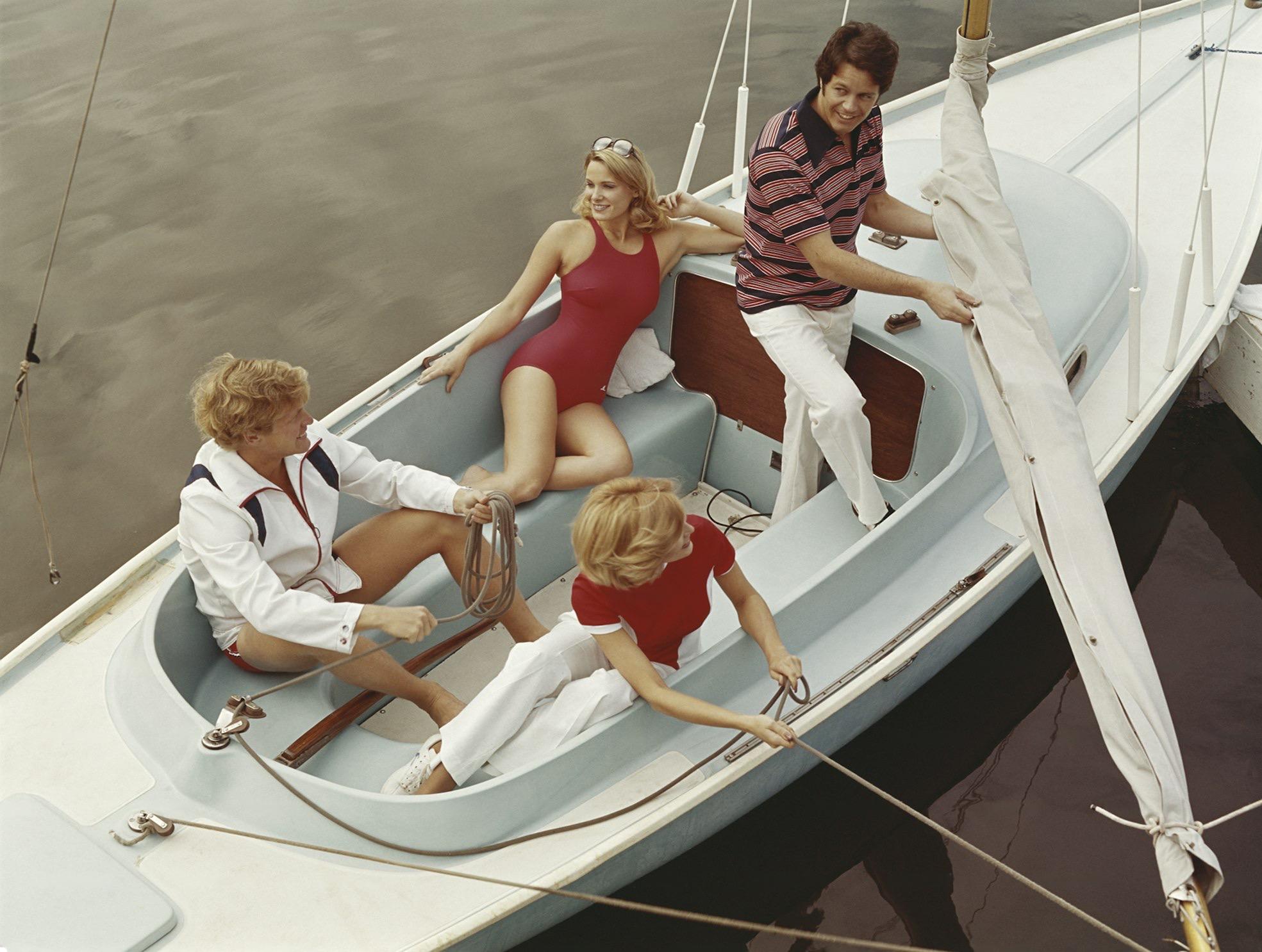
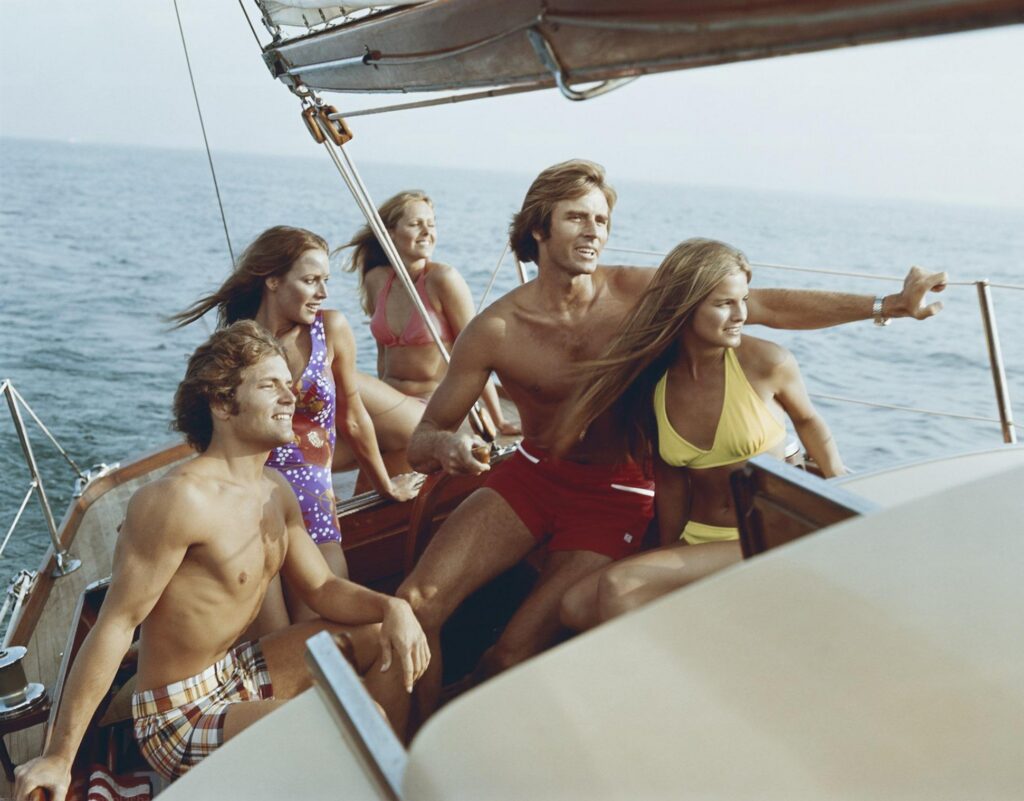
The show’s creators noticed a funny pattern: the album covers, style choices, and lyrics of these late-70s soft rock kings were deeply tied to a wealthy, maritime lifestyle. Think captains’ hats, boat shoes, unbuttoned linen shirts, and luxury yachts sailing into pink sunsets. What began as a comedy sketch accidentally redefined a whole era of music, highlighting the unique psychological function of sound in building social connections and empathy.
The Golden Rules of “Smooth”
Not every soft song from the late 1970s qualifies as pure yacht rock. In fact, true fans and radio curators use a strict set of musical rules to separate the real deal from the imposters. To catch that true maritime vibe, a song needs a highly specific sonic recipe.
The Essential Musical Elements:
- The “Doobie Bounce”: Named after the iconic rhythm style of The Doobie Brothers, this is a bouncy, mid-tempo, syncopated beat. It makes you want to sip a cocktail and tap your foot, but never dance too aggressively.
- The Fender Rhodes Piano: The signature bell-like, warm electric piano tones of the Fender Rhodes form the musical spine of almost every yacht rock track.
- Insane Studio Perfection: These songs were recorded in top-tier Los Angeles studios with massive budgets. There is absolutely no raw garage-rock distortion here. Every instrument is perfectly separated, crisp, and clean.
- Bittersweet Lyrics: Funnily enough, while the melodies sound like a luxury vacation, the lyrics are often quite sad. Most yacht rock hits are about heartbroken men, foolish lovers, and emotional regrets.
To see how yacht rock stacks up against other popular soft sounds of the era, check out this simple breakdown:
| Feature / Vibe | Pure Yacht Rock | Traditional Soft Rock | 1980s Synth-Pop |
| Peak Years | 1976 – 1983 | 1970 – 1979 | 1981 – 1989 |
| Lead Instruments | Fender Rhodes piano, Saxophone | Acoustic guitar, Traditional piano | Synthesizers, Drum machines |
| Vocal Style | Silky smooth harmonies, high falsetto | Earthy singer-songwriter folk tone | Processed, electronic, high energy |
| The Feeling | Cruising on a yacht in Malibu | Sitting by a campfire in a forest | Dancing under strobe lights in London |
The Kings of the Coast: Essential Artists
Yacht rock wasn’t built by isolated bands, but rather by a tight-knit club of elite session musicians and songwriters who constantly played on each other’s tracks.
If yacht rock had a royal captain, it would be Michael McDonald. His rich, smoky baritone voice and distinct keyboard grooves completely revitalized The Doobie Brothers, driving hits like “What a Fool Believes” (1978). McDonald’s backing harmonies were so coveted that if another artist invited him to sing on their track, it was almost guaranteed to become a massive radio hit.
Christopher Cross arrived in 1979 and immediately swept the Grammy Awards with his self-titled debut album. His timeless anthems “Sailing” and “Ride Like the Wind” are the literal blueprint of the genre, mixing breezy acoustic textures with explicit oceanic escapism.
- Steely Dan: Driven by the obsessive musical geniuses Donald Fagen and Walter Becker, this band was famous for hiring dozens of legendary musicians just to record a single guitar solo. Their albums Aja (1977) and Gaucho (1980) are flawless studio masterpieces.
- Toto: Long before they dominated the charts with “Africa” and “Rosanna”, the members of Toto were the absolute go-to session backing band in Los Angeles. They literally played the instruments behind Boz Scaggs on his incredible 1976 album Silk Degrees.
The Grand Resurgence: Why It’s Hot Again
For a long time in the 1990s and 2000s, this smooth style was unfairly labeled as “uncool elevator music.” But history always repeats itself, and modern digital data shows an unbelievable comeback.
Yacht rock playlists on platforms like Spotify and Apple Music have seen an explosion in younger listeners. This modern love for the smooth era is fueled by a few simple trends:
- Hip-Hop Samples: Brilliant rap producers quickly realized that 70s soft rock was engineered flawlessly. Hip-hop icons Warren G and Nate Dogg famously sampled Michael McDonald’s “I Keep Forgettin’” for their legendary 1994 track “Regulate”, introducing the sound to a whole new generation.
- The Ultimate Stress Relief: In our fast-paced, high-anxiety digital world, people are craving comfort food for their ears. Yacht rock serves as an accessible escape, helping listeners relax and unwind after a stressful day.
- The “Nu-Yacht” Movement: Modern indie artists are falling in love with these vintage recording techniques. You can hear the clear influence of 1970s smooth rock in the music of Thundercat, Mac DeMarco, and Daft Punk’s hit album Random Access Memories.
Stress Mitigation: The Downregulation of Cortisol
Beyond its catchy rhythms, this specific wave of soft rock acts as a literal shield for the human nervous system. When your body encounters a chaotic day, the sympathetic nervous system kicks into overdrive, increasing production of the stress hormone cortisol.
Clinical research demonstrates that introducing highly structured, down-tempo, and smoothly produced audio profiles alters the psychobiological recovery curve. Relaxing background frequencies allow somatic markers to return to baseline levels drastically faster than sitting in complete, absolute silence.
By actively listening to these tracks with a mindful intent to relax, you transform an ordinary listening session into an accessible, low-cost mental health ritual that reduces environmental worry and mental fatigue.
Summary: Setting Sail With Your Daily Soundtrack
At the end of the day, yacht rock is a celebration of warmth, world-class musicianship, and endless summer energy. It’s the ultimate acoustic escape designed to help you relax, focus, or simply unwind.
If you want to experience the absolute gold standard of this smooth era without spending hours building a custom queue, we have already done the heavy lifting for you. In Moodby, we curated a dedicated, premium soundscape that perfectly captures that sun-drenched, breezy California coast energy.
Ready to test out the waters? Stream our curated station directly on Moodby and instantly set the perfect, worry-free mood for your day.
Frequently Asked Questions (FAQ)
Why is it specifically called “Yacht Rock”?
The name was created in 2005 for a funny internet comedy series. The creators noticed that the artists who made this smooth music often wore nautical clothes, sang explicitly about sailing, and loved putting photos of boats and ocean beaches on their vinyl album covers.
Is Hall & Oates considered Yacht Rock?
Yes, but only a certain side of their music! Their smooth, soulful tracks like “Sara Smile” and “One on One” fit the jazzy, Fender Rhodes vibe perfectly. However, their later 1980s mega-hits like “Maneater” lean a bit too close to traditional, electronic pop-rock.
What is the main difference between Yacht Rock and regular Soft Rock?
It all comes down to the groove. Regular soft rock (like James Taylor) is simple, acoustic folk-pop. Yacht rock is much more complex—it requires highly polished studio equipment, jazz chord progressions, and a prominent, rhythmic R&B or soul bounce.
What song is the absolute anthem of the genre?
The undisputed gold standard is “What a Fool Believes” by The Doobie Brothers (1978). Co-written by Michael McDonald and Kenny Loggins, it features the ultimate signature bounce rhythm, legendary vocal harmonies, and pristine engineering.
Did all these musicians actually own yachts?
Not really! A few successful rock stars did, but most of them spent their days locked inside dark recording studios in Los Angeles. The luxury yacht image was simply a gorgeous marketing aesthetic that matched the expensive, carefree vibe of the music.