Choosing the Right Restaurant Reservation App in a Digital Dining World
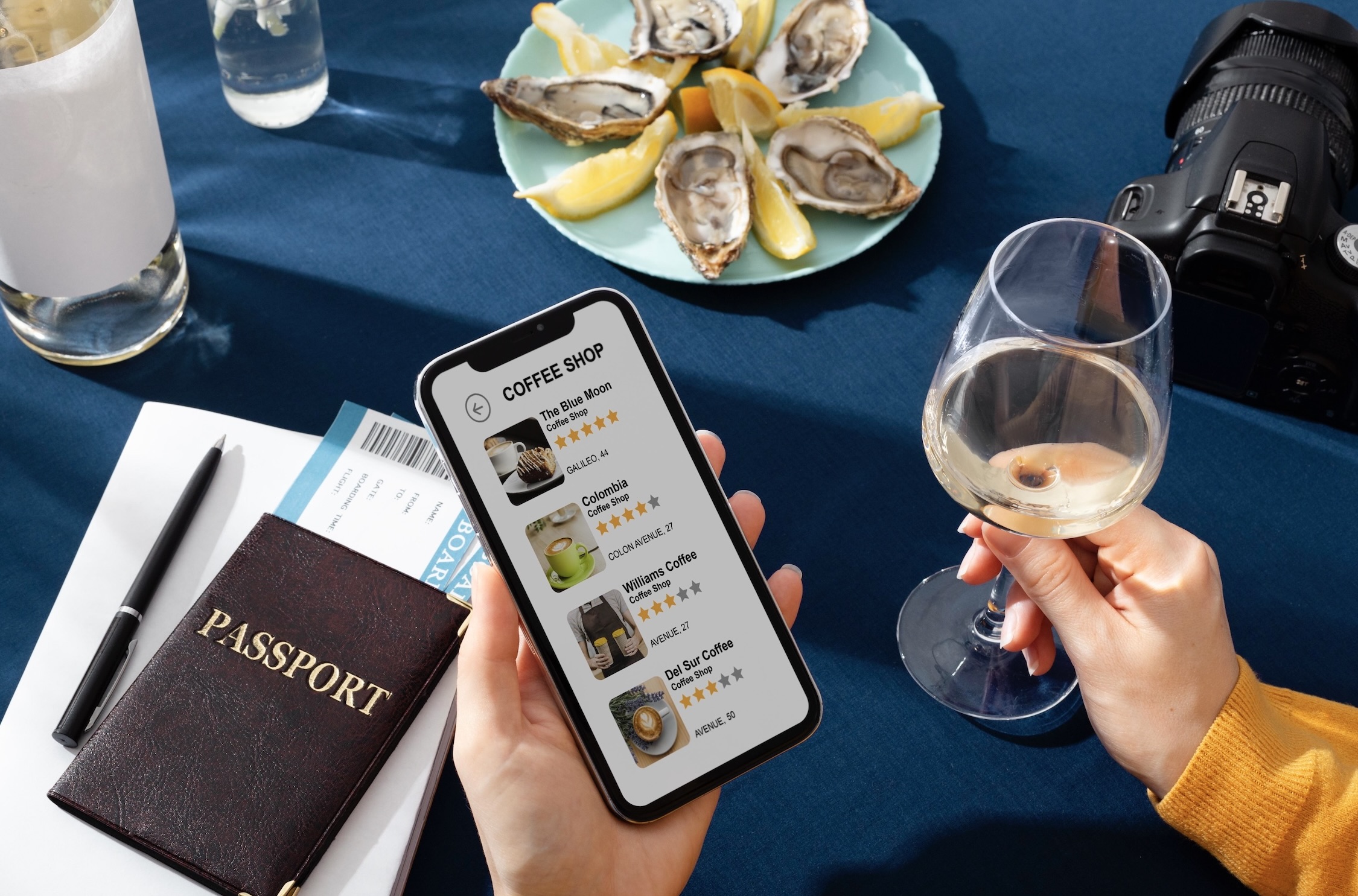
Booking a table used to mean calling a restaurant and hoping someone picked up between lunch and dinner rush. Today, dinner reservations happen in seconds, often while standing on a train platform or scrolling late at night. The rise of digital tools has reshaped how guests plan meals and how restaurants manage demand, expectations, and staffing.
As dining habits evolve, a restaurant reservation app is no longer a luxury feature but a core operational tool. From small neighborhood bistros to global hospitality groups, platforms handling online restaurant reservations influence revenue flow, guest satisfaction, and even brand perception. Understanding how these systems differ helps both diners and restaurateurs make smarter choices.
- Why Reservation Technology Became Essential
- Core Types of Restaurant Reservation Platforms
- Key Features That Actually Matter
- How Restaurants Use Data from Reservations
- The Diner Experience: More Than a Booking
- Cost Considerations and ROI
- Industry Outlook and Ongoing Trends
- FAQ
Why Reservation Technology Became Essential
The shift toward digital bookings accelerated after 2020, when contactless experiences became the norm. According to a 2023 analysis by Forbes, restaurants using digital booking tools saw measurable reductions in no-shows and improved table turnover efficiency.
Beyond convenience, a restaurant reservation system acts as a data engine. It captures guest preferences, visit frequency, and peak demand patterns. In practice, this means fewer empty tables at 7:00 PM and fewer overwhelmed staff members at 8:30 PM.
From the guest’s perspective, dinner reservations now feel less transactional and more curated. Suggestions, reminders, and confirmations create a sense of anticipation rather than obligation.
Core Types of Restaurant Reservation Platforms
Not all systems serve the same purpose. Some focus on discovery, others on operations, and some attempt to blend both worlds. Before comparing tools, it helps to understand the main categories shaping the market.
- Marketplace-based platforms that attract new diners through search and recommendations
- Restaurant-first systems focused on internal table management and CRM
- Hybrid solutions combining visibility, booking, and marketing tools
Each approach supports online restaurant reservations differently, depending on whether growth or control is the primary goal. Restaurants often choose based on margins, brand strategy, and customer demographics.
Key Features That Actually Matter
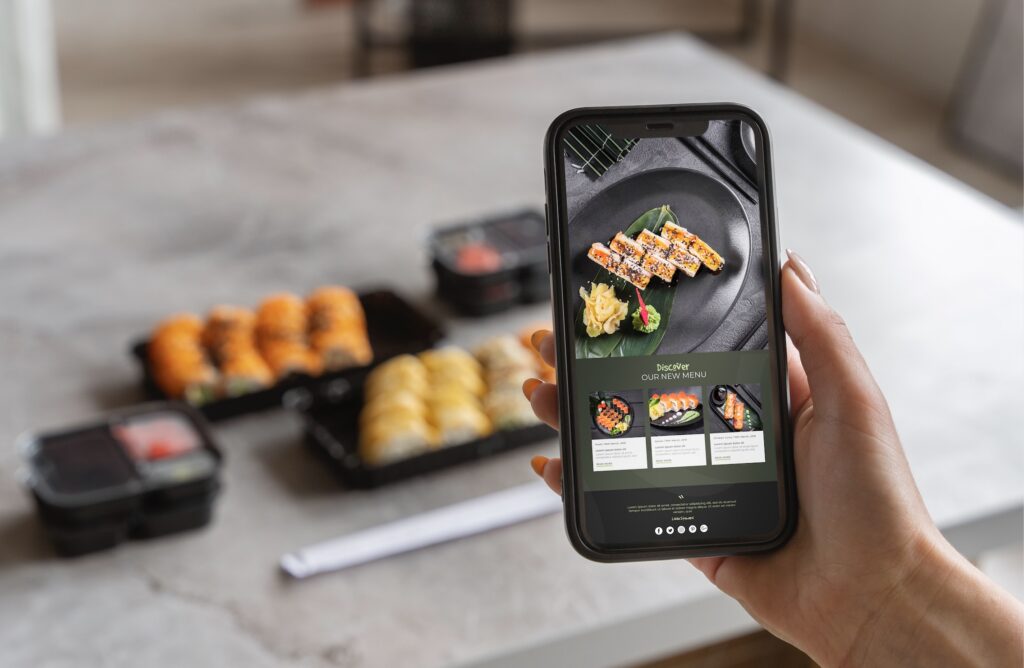
Feature lists can be misleading. What matters is how tools behave during real service hours. A good restaurant reservation app should reduce friction, not add steps.
Before breaking features down, it’s worth noting that user experience for staff is just as important as the guest-facing interface. A clunky dashboard can slow service more than paper logs ever did.
| Feature Area | Practical Impact | Who Benefits Most |
|---|---|---|
| Table pacing | Prevents overbooking peaks | Front-of-house teams |
| Automated reminders | Reduces no-shows | Management |
| Guest profiles | Enables personalization | Repeat guests |
| Waitlist tools | Captures walk-in demand | Busy urban venues |
After implementing these features, many restaurants report smoother service flow, especially during weekends and holidays.
How Restaurants Use Data from Reservations
Reservation data is no longer passive. Modern restaurant reservation system platforms turn bookings into actionable insights. For example, BBC Business reported that hospitality groups using predictive booking data adjusted staffing levels more accurately, reducing labor waste by up to 12% in some European markets.
This data-driven approach affects pricing strategies, menu planning, and even opening hours. Dinner reservations on Tuesdays may look weak at first glance, but trend analysis can reveal hidden opportunities when paired with promotions or themed menus.
At this point, it’s worth pausing for inspiration. A curated playlist focused on hospitality, service rhythm, and evening ambience can subtly mirror how reservation systems set the tempo for a restaurant’s night. Music, like scheduling, shapes expectations before the first interaction even begins.
The Diner Experience: More Than a Booking
From the guest’s side, online restaurant reservations shape the emotional arc of dining. Confirmation emails, calendar integration, and polite reminders create reassurance.
Importantly, systems that respect privacy and avoid aggressive marketing earn higher trust. Transparency around data use has become a differentiator, not a legal footnote. A well-designed restaurant reservation app can even influence venue choice when menus and prices are similar.
Cost Considerations and ROI
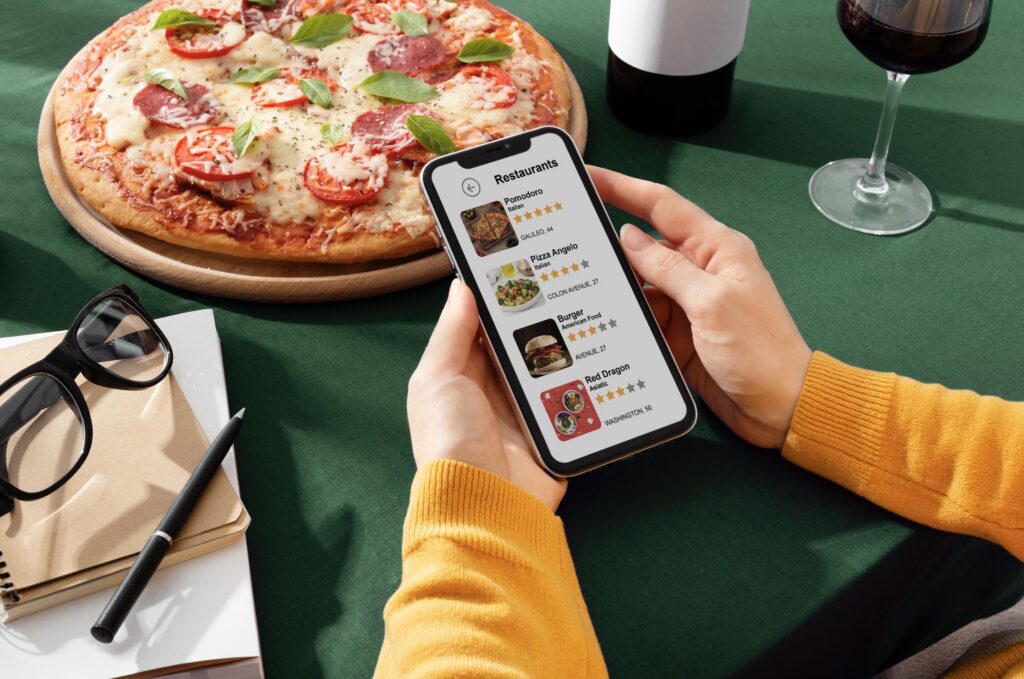
Pricing models vary widely. Some platforms charge per cover, others take a monthly fee, and hybrid models combine both. While costs are usually quoted in USD or EUR, the real metric is return on efficiency.
Restaurants evaluating a restaurant reservation system often compare:
- Reduction in no-show rates
- Increase in average table turns per evening
- Staff time saved on manual scheduling
These factors frequently outweigh subscription costs within the first few months of use.
Industry Outlook and Ongoing Trends
Looking ahead, reservation technology is moving toward deeper integration. Voice assistants, AI-driven demand forecasting, and seamless POS connections are no longer experimental. According to McKinsey & Company, digital tools in hospitality are increasingly judged by how invisibly they operate within daily workflows.
As expectations rise, dinner reservations will continue to blend planning with experience design rather than simple logistics.
FAQ
What is the main purpose of a restaurant reservation app?
A restaurant reservation app helps diners secure tables while enabling restaurants to manage capacity, reduce no-shows, and collect valuable guest data.
Are online restaurant reservations better than phone bookings?
Online restaurant reservations offer speed, accuracy, and automated reminders, which often lead to fewer errors and missed bookings compared to phone calls.
How does a restaurant reservation system reduce no-shows?
Automated confirmations, reminders, and easy cancellation options encourage guests to honor or update their plans in advance.
Do small restaurants need a reservation system?
Even small venues benefit from a restaurant reservation system by smoothing service flow and avoiding peak-time chaos, especially during weekends.
Is guest data from reservation apps safe?
Reputable platforms follow strict data protection standards and clearly communicate how guest information is stored and used.
How often should restaurants review their reservation data?
Most experts recommend reviewing reservation data weekly or monthly to spot trends, adjust staffing, and optimize service hours effectively.