Why Music Tempo Controls Your Restaurant Revenue: A Research-Backed Guide
- The 11-Minute Trick That Generates 40% More Bar Revenue
- How Tempo Actually Works: The Neurobiology
- The Counterintuitive Finding: What Tempo Changes (And What It Doesn’t)
- Research-Backed Tempo Guide by Restaurant Type
- The Waiting Room Effect
- Tempo Shifts Within Service: A Practical Strategy
- What the BMI Research Confirmed
- Common Tempo Mistakes (And How to Avoid Them)
- The Bottom Line: Tempo Is Your Operational Lever
- FAQ
- Sources & Research
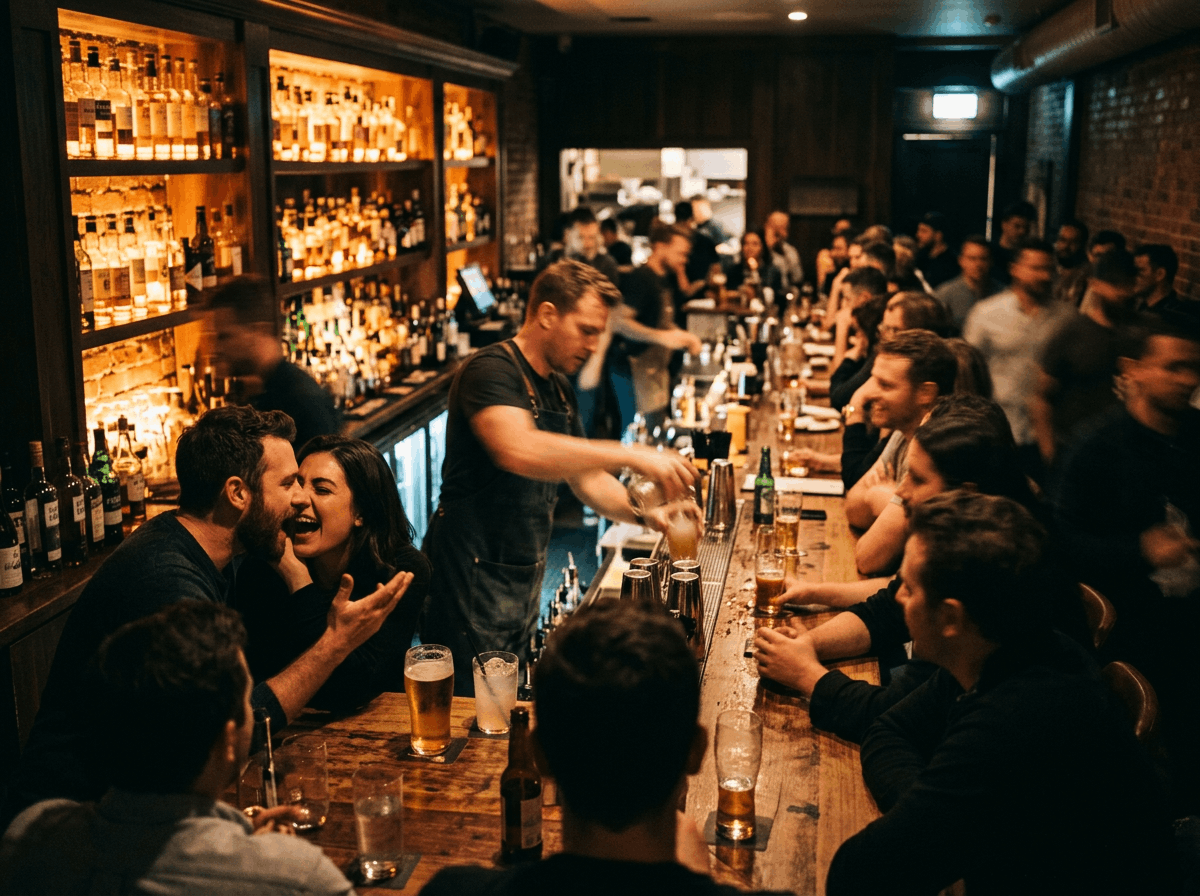
The 11-Minute Trick That Generates 40% More Bar Revenue
Researchers at the University of Leicester ran an experiment where they varied only one thing: the tempo of the background music. Everything else was identical — same restaurant, same food, same service.
The results were stark: guests who heard slow-tempo music stayed 11 minutes longer on average. Those extra 11 minutes translated to +40% higher spending on drinks and cocktails.
This wasn’t because guests were thirstier. It’s because they weren’t rushing. The slow music — operating below conscious awareness — gave their nervous system permission to relax, to linger, to order another round instead of checking their watch.
Here’s what matters: if you have a bar program or cocktail menu, slow-tempo music during evening service is literally money sitting on the table.
How Tempo Actually Works: The Neurobiology
Understanding why tempo matters will help you make better decisions for your specific restaurant.
The mechanism is neurobiological, not subjective:
Slow rhythms (below 80 BPM) activate the parasympathetic nervous system — the “rest and digest” mode. Guests literally feel calmer, less rushed, more willing to linger. Their heart rate slows to match the music. Their breathing becomes deeper.
Fast rhythms (above 120 BPM) activate the sympathetic nervous system — the “fight or flight” mode. Guests feel energized, alert, ready to move.
This isn’t cultural or a matter of taste. It’s how human physiology works. Research confirmed it:
“Slow music (below 80 BPM) activates the parasympathetic nervous system, causing guests to feel calmer and less rushed. Fast music (above 120 BPM) activates the sympathetic nervous system, causing guests to feel energized and ready to move.”
Your guests’ nervous systems are responding to the music below the level of conscious awareness.
The Counterintuitive Finding: What Tempo Changes (And What It Doesn’t)
Here’s where the research gets interesting.
The same study that found slow music extending dwell time also found something unexpected:
“Food spending didn’t change much between slow and fast tempos. People ordered roughly the same amount of entrees either way. But drinks? That moved significantly.”
This is crucial for deciding your strategy. Slow tempo doesn’t make people order more food. It makes them stay longer — and while they’re sitting, they order drinks.
The implications are opposite depending on your restaurant type:
If you’re running an evening establishment with a full bar: slow tempo is a direct revenue lever. Every 11 extra minutes = +40% drink revenue.
If you’re running a casual lunch spot trying to turn tables: faster tempo actually serves you better. You want quick service, fast turnover, more covers per shift.
This is why one-size-fits-all music doesn’t work. The same song that’s perfect for a cocktail bar at 8 PM is wrong for a lunch counter at noon.
Research-Backed Tempo Guide by Restaurant Type
| Restaurant Type | Ideal Tempo | Reasoning |
|---|---|---|
| Fine-dining (evening) | 60–80 BPM | Maximizes dwell time and premium beverage sales |
| Cocktail bar | 70–90 BPM | Encourages lingering, relaxation, multiple rounds |
| Upscale casual (dinner) | 80–100 BPM | Maintains quality perception while keeping moderate pace |
| Casual dinner (mixed) | Variable: 70 BPM evening, 90 BPM lunch | Adjust by service period |
| Fast-casual / lunch | 100–120 BPM | Keeps energy moving, encourages table turnover |
| Waiting area | 70–80 BPM | Extends patience, reduces perceived wait time |
The Waiting Room Effect
One research finding that gets overlooked: music affects guests before they even sit down.
A separate study found:
“Slow-paced background music extended the time customers were willing to wait for a table, while fast-paced music shortened perceived wait time.”
This has practical implications depending on your operation:
If you have a waiting area and want to hold guests rather than lose them: slower music buys you time. Guests perceive the wait as shorter and remain patient.
If you’re trying to move a queue quickly: slightly faster tempo keeps things feeling brisk, reduces the subjective perception of lingering.
Tempo Shifts Within Service: A Practical Strategy
The best restaurants don’t use static playlists. They shift tempo during the evening:
Early evening (5–7 PM): Slightly faster to keep energy moving, encourage seating, create a sense of buzz.
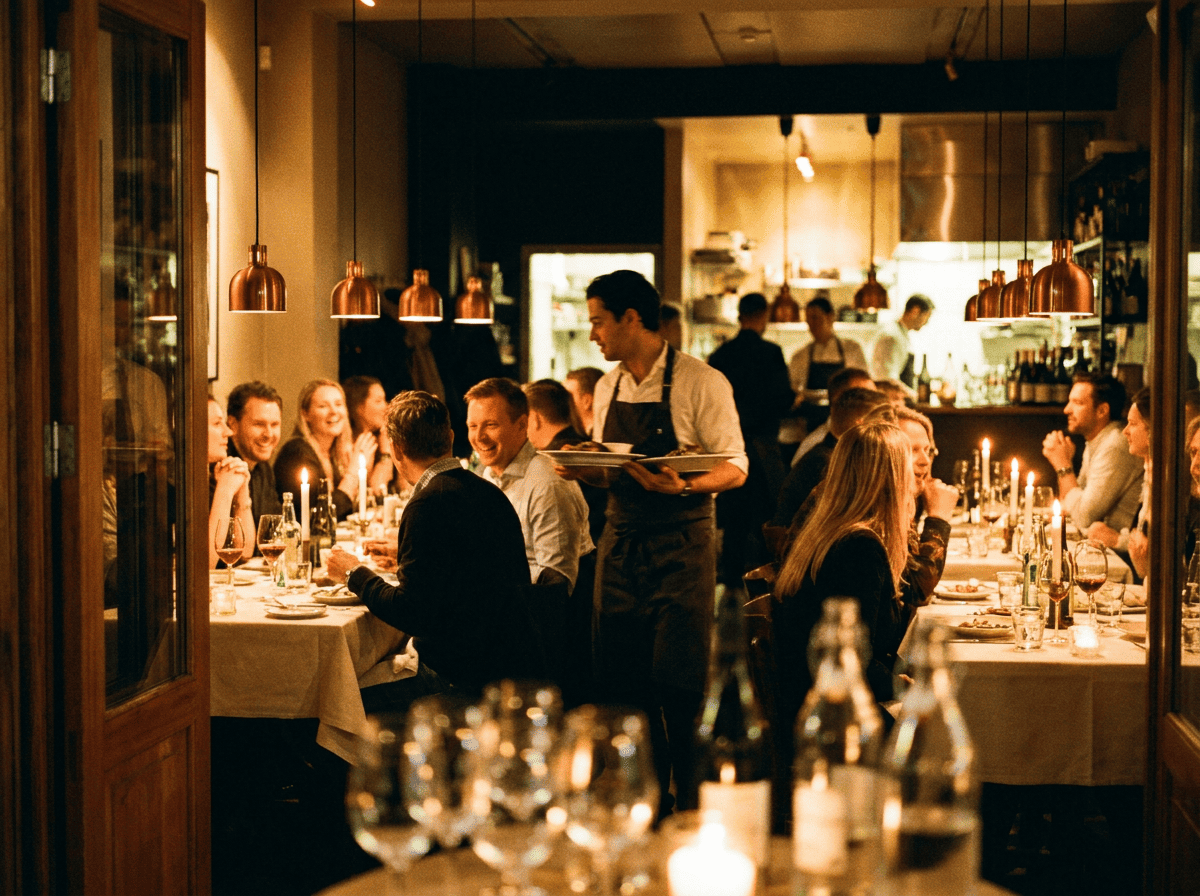
Core dinner service (7–10 PM): Slower tempo to maximize dwell time, encourage bar sales, support the premium experience.
Late evening (10 PM+): Can shift back slightly faster if your goal is turnover, or keep slow if you’re a cocktail-focused venue.
Lunch service: Faster tempo throughout to keep tables moving and maximize covers.
This isn’t complicated operationally, but it requires intentionality. A restaurant using a single fixed playlist throughout the day is leaving money on the table.
What the BMI Research Confirmed
A comprehensive industry study surveyed thousands of consumers on how tempo affects their experience:
“79% said they’d stay longer if good music was playing. 58% said they’d buy more food or drinks just to keep hearing the music. However, 50% said they’d leave if the music wasn’t right for the vibe.”
The last stat is the most important. Tempo that doesn’t match the restaurant’s pace doesn’t just fail to help — it can actively drive guests away.
A fine-dining restaurant playing loud, fast dance music? Guests leave. A casual lunch spot playing funeral march tempo? Guests feel antsy and don’t linger over coffee.
Tempo must match the restaurant’s intended experience, not just be “slow” or “fast.”
Common Tempo Mistakes (And How to Avoid Them)
Mistake #1: Same tempo all day A single slow playlist works for evening but kills lunch turnover. Shift your tempo by service period.
Mistake #2: Confusing “faster” with “better energy” Fast tempo doesn’t mean upbeat. A 130 BPM funeral march is still slow-feeling and depressing. Tempo + energy need to align.
Mistake #3: Ignoring the bar program If you have a cocktail menu or wine list, you’re leaving 40% of potential revenue on the table with fast evening music.
Mistake #4: Playing music that’s too loud Loud music can feel like fast music even if the tempo isn’t. Keep volume moderate so guests can have normal conversations.
The Bottom Line: Tempo Is Your Operational Lever
Here’s what the research actually demonstrates:
- Slow tempo keeps people at your tables longer — approximately 11 extra minutes per guest
- Those extra minutes generate +40% higher drink revenue — this is direct, measurable leverage
- Tempo doesn’t affect food spending — but it affects how much guests drink while eating
- Fast tempo is appropriate for lunch and turnover contexts — not all restaurants need slow
- Tempo must match the restaurant’s intended pace — matching matters more than absolute speed
Most restaurant owners treat tempo as accidental or arbitrary. The research shows it’s one of the most direct operational levers you have.
A well-tempered playlist during evening service isn’t nice to have. It’s a business decision with measurable ROI.
FAQ
How does music tempo affect restaurant revenue?
Slow-tempo background music increases drink revenue by about 40%. Researchers at the University of Leicester found that guests hearing slow music stayed 11 minutes longer on average, and those extra minutes converted into higher spending on drinks and cocktails. The effect comes from pacing: unhurried guests order another round before leaving.
What is the ideal music tempo (BPM) for a restaurant?
The right tempo depends on the goal. Fine-dining and evening service work best at 60–80 BPM to maximize dwell time and beverage sales. Fast-casual and lunch service suit 100–120 BPM to keep tables turning. A cocktail bar sits around 70–90 BPM, and a waiting area around 70–80 BPM to extend patience.
Does slow music make restaurant guests order more food?
No. Research on tempo found that food spending stayed roughly the same across slow and fast music. What slow tempo changes is dwell time: guests stay longer, and while they sit, they order more drinks. For venues with a bar or cocktail program, that is where the revenue lever sits.
Why does slow music make guests drink more?
Slow rhythms below 80 BPM activate the parasympathetic nervous system, the body’s “rest and digest” mode. Heart rate slows to match the music, breathing deepens, and guests feel calmer and less rushed. That relaxed state extends how long they stay, which leads to additional drink orders.
Should a restaurant change music tempo throughout the day?
Yes. A single fixed playlist serves either lunch or evening well, rarely both. Faster tempo in early evening builds energy and encourages seating, slower tempo during core dinner service maximizes dwell time and bar sales, and faster tempo at lunch keeps tables turning. Matching tempo to each service period is a direct operational lever.
Does music tempo affect how long people wait for a table?
Yes. A 2015 study by Zhou Fang found that slow-paced music extended how long guests were willing to wait, while faster music shortened the perceived wait. Slower music in a waiting area buys patience and reduces walkouts before guests are seated.
What’s the most common mistake restaurants make with music tempo?
Running the same tempo all day. A slow evening playlist kills lunch turnover, and a fast lunch playlist costs drink revenue in the evening. Loud volume compounds the problem: music that is too loud feels fast even when the tempo is moderate, which pushes guests out before they order again.
Sources & Research
“In the slow music condition, patrons took significantly longer to finish their meals than in the fast music condition. The amount spent on drinks was higher in the slow-tempo music condition than in the fast-tempo condition.”
“Patrons in the slow tempo group spent the most time in the restaurant. Patrons in the fast tempo group were the quickest to leave.”
“Time spent in the restaurant was the most powerful predictor of money spent in the restaurant.”
“Slow-paced background music can extend the customer waiting time, meanwhile fast-paced background music will shorten the waiting time of customers.”