First Bite Online: Crafting a Restaurant Website That Converts Scrollers into Diners
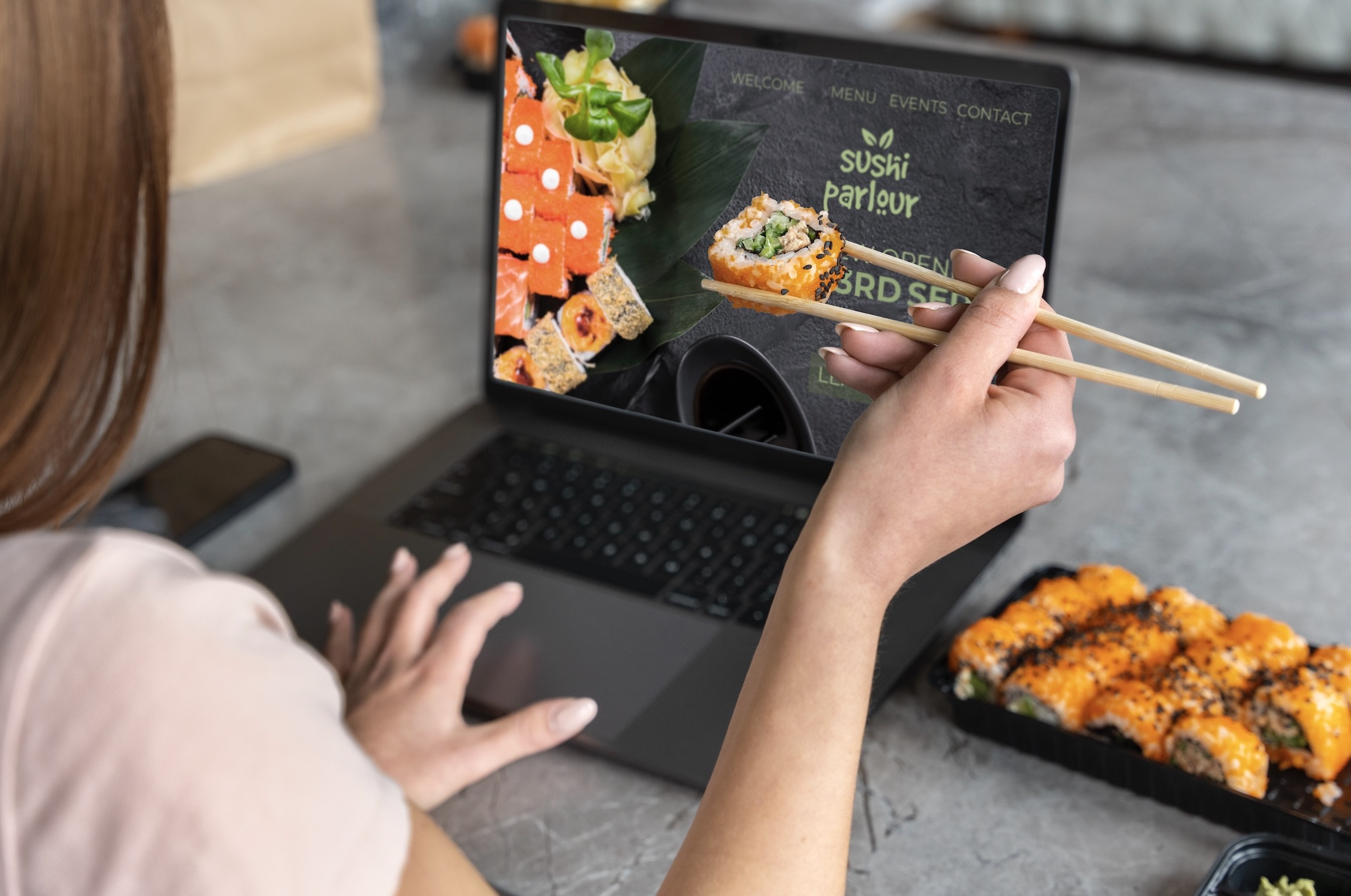
Imagine this: it’s 7 p.m., you’re hungry, and your phone is your lifeline. You tap on a restaurant link—only to find a blurry PDF menu from 2019, no clear hours, and a “Contact Us” form that vanishes into the void. Sound familiar? You’re not alone. According to WordStream, 68% of diners abandon a restaurant visit due to a poorly designed website. In today’s digital-first dining culture, your restaurant website design isn’t just a digital business card—it’s your silent host, maître d’, and marketing team rolled into one.
A stellar online presence doesn’t require a six-figure budget or a Silicon Valley dev team. What it does demand is intentionality: clarity, personality, and seamless functionality. The best restaurant websites don’t just look good—they work hard, turning curiosity into reservations and first-timers into regulars.
- Why Your Digital Doorstep Matters More Than Ever
- Core Elements Every Winning Restaurant Site Needs
- Personality Over Perfection
- Avoiding Common Pitfalls
- FAQ
Why Your Digital Doorstep Matters More Than Ever
Gone are the days when a chalkboard sign and word-of-mouth were enough. Today’s guests—especially Gen Z and Millennials—expect to browse menus, check wait times, and place orders before they even leave their couch. A 2023 National Restaurant Association report found that 57% of consumers prefer ordering directly through a restaurant’s website over third-party apps, largely to avoid inflated fees and ensure order accuracy.
That’s where thoughtful restaurant website architecture shines. It’s not about flashy animations or parallax scrolling—it’s about removing friction. Can someone find your vegan options in under 10 seconds? Can they book a table for Saturday without calling three times? If yes, you’ve already won half the battle.
“Your website is often the first—and sometimes only—impression you’ll make,” says hospitality tech consultant Lena Torres. “If it feels outdated or confusing, guests assume your kitchen might be too.”
When you’re deep in recipe testing or staffing shifts, take a breath and queue up a playlist of ambient café sounds or upbeat indie tracks—the kind that mirror your dining room’s vibe. Let it remind you that every pixel should echo the atmosphere you’ve worked so hard to create IRL.
Core Elements Every Winning Restaurant Site Needs
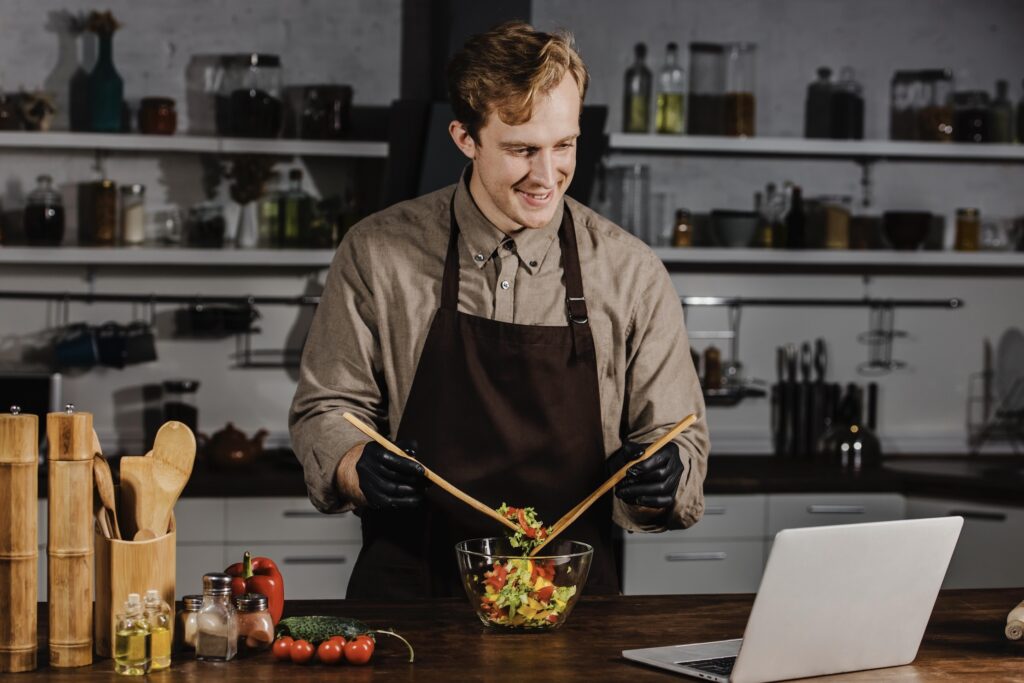
Based on analysis of industry standouts like Mei Mei Street Kitchen and Shake Shack, here are non-negotiable features that drive engagement and sales:
1. Instant Access to Essentials
Address, hours, and contact info should be visible above the fold. No hunting through dropdowns. Yang’s Kitchen in LA nails this by placing location and hours in bold, centered text on their homepage.
2. A Living, Searchable Menu
Ditch the PDF. HTML menus are mobile-friendly, SEO-optimized, and allow for easy updates (hello, seasonal specials). Include allergen tags and pricing—transparency builds trust.
3. One-Click Ordering & Reservations
Integrate direct booking and ordering systems. Upper Crust Pizzeria uses a bright red “Order Now” button that follows users as they scroll—simple, urgent, effective.
4. Visual Storytelling
High-quality photos of food, staff, and ambiance matter. Union Square Donuts’ close-ups of glazed rings dripping with caramel aren’t just pretty—they trigger hunger hormones.
| Feature | Why It Works | Real-World Example |
|---|---|---|
| Mobile Optimization | 60%+ traffic comes from phones | SusieCakes loads instantly on iOS/Android |
| Email Capture | Builds owned marketing channel | Smith & Wollensky offers wine-pairing tips for sign-ups |
| Event Calendar | Drives midweek traffic | Olympia Oyster Bar lists trivia nights upfront |
| Social Feed Integration | Shows real-time buzz | Dutch’s embeds Instagram shots of daily catches |
These aren’t luxuries—they’re baseline expectations. The best restaurant websites treat every visitor like a guest at the door: welcomed, informed, and gently guided toward the next step.
Personality Over Perfection
Your site should reflect your brand’s soul. A Brooklyn ramen bar might use moody dark tones and minimalist typography (à la Uni in Boston), while a Portland bagel shop like Rose Foods leans into retro fonts and playful illustrations. Neither is “better”—both are authentic.
Don’t forget your story. Founding Farmers weaves its farmer-owned ethos into a hero video showing real people plating dishes and greeting guests. That emotional hook turns transactional browsing into connection.
And if you’ve earned press or awards? Flaunt them—but tastefully. Rebel Rebel’s James Beard mention appears as a subtle banner, not a flashing marquee. Confidence, not bragging.
Avoiding Common Pitfalls
Even well-meaning sites stumble. Here’s what to skip:
- Auto-playing music (jarring and unprofessional)
- Pop-ups before users can read anything (feels spammy)
- Outdated event listings (“Live Jazz Every Friday!”… from 2022)
- Missing alt text on images (hurts accessibility and SEO)
Remember: your restaurant website design serves humans—not algorithms. Prioritize usability over trends. A clean, fast-loading page with clear CTAs will always outperform a “clever” but confusing layout.
Ultimately, your website is an extension of your hospitality. Make it warm, reliable, and unmistakably you—and hungry strangers will gladly become loyal regulars.
FAQ
How much does a professional restaurant website cost?
Basic DIY sites on Squarespace or Wix start around $15–30/month. Custom designs range from $2,000 to $10,000+ USD, depending on integrations (POS, loyalty, etc.). Many platforms like Toast offer restaurant-specific builders with built-in ordering.
Should I use a template or hire a designer?
Templates work well for cafés or small concepts with straightforward needs. Hire a designer if you have multiple locations, complex menus, or want custom branding that stands out in a competitive market.
How often should I update my website?
Review weekly for hours or closures, monthly for menu changes, and quarterly for photo/content refreshes. Seasonal campaigns (e.g., holiday catering) deserve dedicated landing pages.
Can I manage my website myself?
Yes—if you choose a user-friendly platform. Look for drag-and-drop editors, automatic POS sync (for menu/pricing), and mobile previews. Training takes 1–2 hours for most owners.
Is mobile optimization really that important?
Absolutely. Over 65% of restaurant searches happen on mobile devices. If buttons are too small or text requires zooming, you’ll lose customers instantly.
What’s the biggest mistake restaurants make online?
Inconsistency. Mismatched hours on Google vs. your site, or a menu that hasn’t changed since pre-pandemic, signals neglect. Accuracy builds credibility—even more than aesthetics.