The Ultimate Guide to Halloween Marketing Ideas: Data-Backed Strategies for Q4 Success
- The Strategic Importance of Early Halloween Marketing
- The Financial Impact of the Spooky Season
- Key Variables Driving Holiday Campaign Success
- Dissecting the World’s Best Campaigns: What Actually Works
- Benchmark Metrics for Seasonal Marketing Initiatives
- Proprietary Framework: The “Spooky Season” Behavioral Matrix
- Beyond Seasonal Promos: Building Long-Term Brand Equity
- FAQ
As the leaves change and autumn sets in, retail and marketing landscapes undergo a massive shift. What was once a simple night of trick-or-treating has transformed into Britain’s third-biggest retail event and a critical commercial launchpad worldwide. For modern brands, deploying creative halloween marketing ideas is no longer just about joining in on the festive fun—it is a vital strategic milestone to capture consumer attention and secure a substantial share of voice before the intense Q4 holiday rush begins.
This comprehensive guide dissects why seasonal activations are essential, evaluates top-performing campaigns across global industries, and delivers original, proprietary strategic frameworks backed by behavioral economics to ensure your next halloween marketing campaign drives measurable business growth.
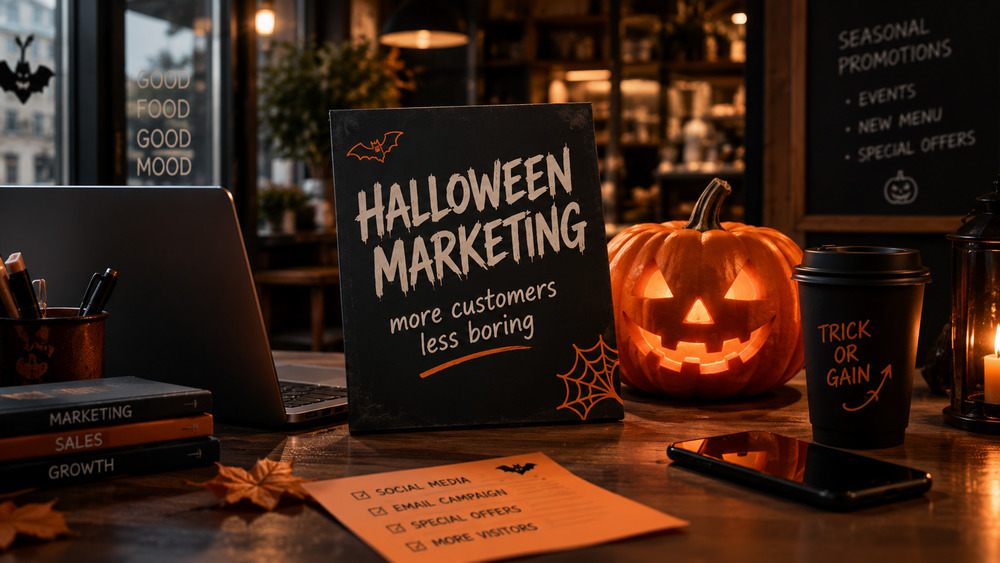
The Strategic Importance of Early Halloween Marketing
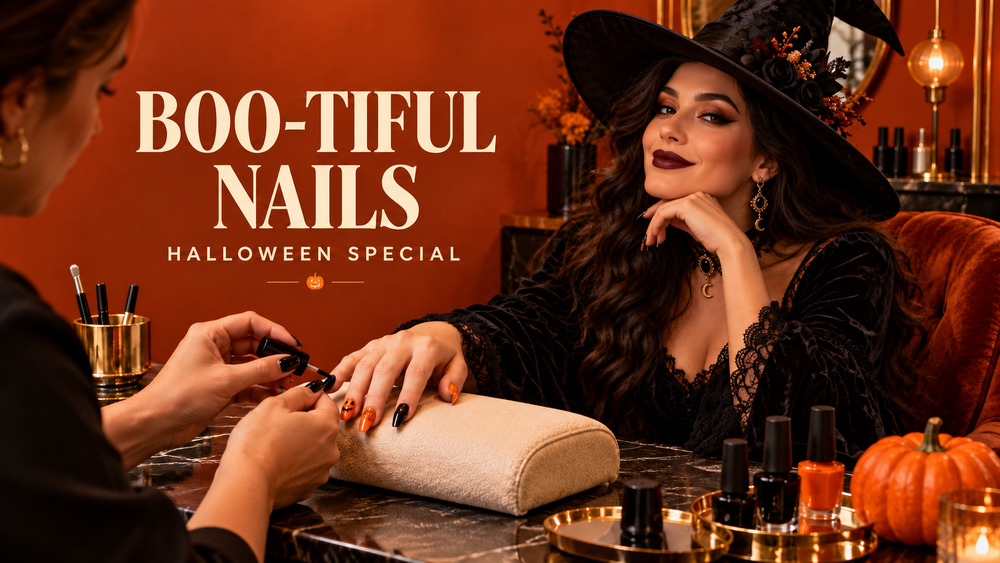
Launching your campaigns early provides a clear competitive edge. Consumer research indicates that a significant percentage of buyers actively look for holiday inspiration long before October arrives. Waiting until the last minute means missing out on an extended, highly lucrative shopping window.
The Financial Impact of the Spooky Season
The scale of modern autumn consumer spending is staggering. Data from leading international retail institutions highlights a consistent upward trajectory in seasonal transaction volumes:
- The Multi-Billion Dollar Reality: In major Western markets, annual seasonal spending consistently hits historic highs, recently breaking a record of $12.2 billion according to retail data tracking on Outbrain.
- The UK Boom: UK consumer spending has tripled since 2013, reaching a monstrous £776 million in recent years, making it a mandatory calendar stop for European brands, as reported by Bottle Digital PR.
- Rising Average Order Value (AOV): Individual consumers routinely spend an average of $104 on festive items, expanding the target market far beyond traditional candy sales.
- The “Kidulting” Phenomenon: A massive surge in adult-focused celebrations has opened entirely new demographics for brands outside the traditional children’s toy and treat spaces.
Key Variables Driving Holiday Campaign Success
While eye-catching visuals are helpful, a truly profitable strategy relies on several foundational pillars rooted in consumer psychology:
- Emotional Resonance Over Specifications: Top-performing campaigns prioritize emotional triggers—such as childhood nostalgia, suspense, or shared humor—over basic product features.
- User-Generated Content (UGC) Integration: Seasonal events inherently encourage social sharing. Brands that build structured frameworks for audiences to share their own experiences naturally see a massive boost in organic visibility.
- Multi-Channel Synchronicity: Seamlessly bridging the gap between physical touchpoints (like interactive packaging or retail displays) and digital platforms (such as custom landing pages or AR filters) maximizes conversion opportunities.
Dissecting the World’s Best Campaigns: What Actually Works
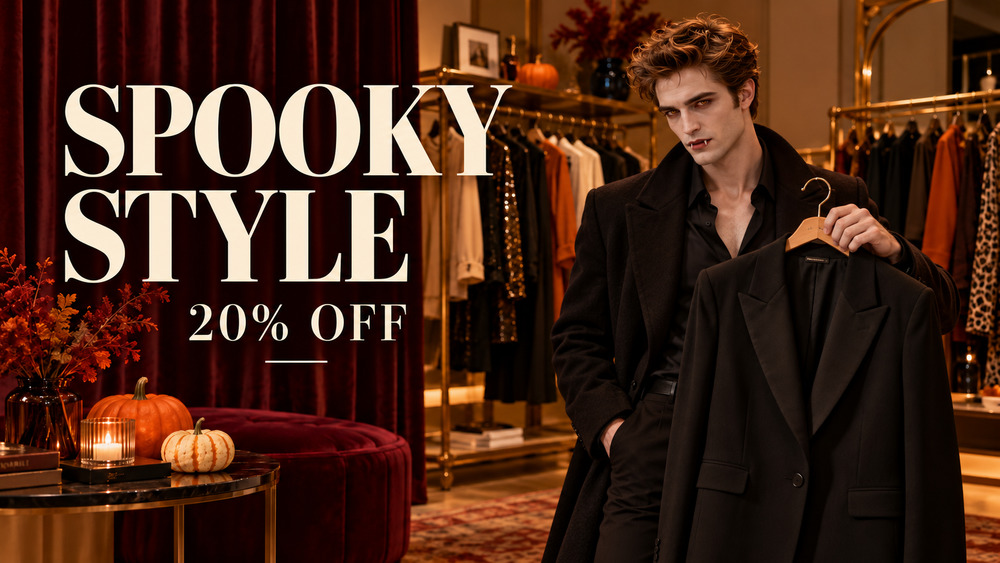
To build a high-performing strategy, it helps to analyze the specific mechanics used by leading global brands to turn creative concepts into high-ROI campaigns:
1. Subverting Audience Expectations
A highly effective approach involves pairing traditional, wholesome imagery with unexpected, slightly edgy elements. A prime example highlighted in the comprehensive Bottle PR Campaign Roundup is the collaboration between canned water brand Liquid Death and lifestyle icon Martha Stewart. By featuring a comforting domestic figure calmly creating a gruesome, life-sized severed hand candle, the brand generated massive organic reach and a near 1:1 like-to-share ratio on social channels within the first 24 hours.
- The Lesson: Unconventional partnerships stand out in a crowded marketplace, provided both parties share a genuine sense of humor.
2. Solving Real Consumer Friction Points
Great marketing often stems from solving a seasonal challenge for your audience. For instance, confectionery brand Haribo partnered with instant-commerce platform GoPuff to launch a “sweets emergency service” that delivered free candy directly to homes running low on treats. This addressed a verified data point: research showed that 70% of parents worried about letting down neighborhood trick-or-treaters.
- The Lesson: Look at consumer behavioral data to identify specific seasonal pain points, then build a timely, localized solution to earn brand loyalty.
3. Entertainment-First Video Storytelling
Long-form video content that acts as short entertainment rather than a standard commercial boasts excellent engagement metrics. Fast-food chain Jack in the Box leveraged this by releasing an eight-minute horror-parody film that hid exclusive promo codes for app members within the narrative. This aligns perfectly with the tactical frameworks found in the Amazon Ads Halloween Guide, which emphasizes utilizing premium video placements on platforms like Twitch to reach highly engaged Millennial and Gen Z demographics.
- The Lesson: Treat your audience like viewers first and shoppers second. Suspense and high production value drive superior completion and interaction rates.
Benchmark Metrics for Seasonal Marketing Initiatives
When planning your budget and calculating potential returns, look at how different industries allocate their resources and the corresponding performance benchmarks:
| Industry Sector | Primary Activation Strategy | Average Campaign Lead Time | Target Engagement Metric |
|---|---|---|---|
| Food & Beverage | Limited-edition flavors & emergency delivery services | 4–6 Weeks | User-Generated Content (UGC) Shares & App Downloads |
| Retail & Apparel | Nostalgic costumes & custom product lines | 6–8 Weeks | Average Order Value (AOV) & In-store AR Activations |
| Beauty & Cosmetics | Interactive digital tutorials & AR try-on filters | 3–5 Weeks | Conversion Rate via Quiz Funnels & Landing Page Stay-Time |
| Entertainment & Gaming | Limited-edition digital assets & cross-brand crossovers | 2–4 Weeks | Daily Active Users (DAU) & Social Media Mention Velocity |
Proprietary Framework: The “Spooky Season” Behavioral Matrix
(Note: The following framework represents original strategic concepts developed specifically for high-performing modern digital environments).
To ensure your halloween marketing ideas cut through the noise, campaigns should align with one of the three core behavioral pillars of the Spooky Season Matrix:
1. Capitalizing on Micro-Moments of Vulnerability
Modern consumer psychology shows that during autumn, audiences actively seek out controlled thrills. Brands can leverage this by intentionally introducing mild, playful suspense into the buying journey—such as mystery discount codes, interactive blind boxes, or gamified “trick or treat” checkout paths. This brief moment of excitement significantly enhances dopamine release, leading to higher impulse conversions and stronger brand memorability.
2. The Concept of Gated Nostalgia
Adult consumers are highly receptive to experiences that transport them back to the autumns of their youth. Look at IKEA’s brilliant “Monsters Not Included” ad campaign. It tapped into universal childhood fears of monsters lurking under the bed or in the closet to reinforce the safety and comfort of their home furnishings.
However, the most successful modern campaigns do not just repeat old tropes; they gate them behind modern digital utility. Combining retro aesthetics with cutting-edge tools—like Fanta’s scan-to-unlock Beetlejuice QR codes or Maybelline’s interactive AR Snap filters—creates a powerful blend of sentimental comfort and modern engagement.
3. Navigating The Keyword Sanitization Barrier
A major operational challenge for modern digital marketers is navigating automatic content filters. Research shared by Bottle Digital PR indicates that over 41% of seasonal web content misses programmatic advertising opportunities because brand safety tools automatically flag words like “kill,” “blood,” “horror,” “death,” or “scary”.
To bypass this without losing your seasonal edge, modern copywriters must master creative subversion. Use clever wordplay, lighthearted mashups, and non-threatening terminology (e.g., swapping “killer deals” for “frightfully good offers”) to keep your copy engaging while ensuring full compliance with advertising networks.
Beyond Seasonal Promos: Building Long-Term Brand Equity

While quick sales hops are valuable, the ultimate goal of autumn marketing is to foster lasting customer relationships that carry all the way through the winter holidays.
“True marketing success during seasonal transitions lies in connecting cultural purpose with authentic brand personality, transforming a single festive calendar moment into a repeatable driver of annual customer loyalty.”
To turn holiday buzz into sustained growth, consider these non-monetary, brand-building tactics:
- Leveraging Shared Digital Communities: Design interactive hubs where consumers can showcase their personal creativity, whether through costume galleries, festive recipes, or home decor ideas. This turns your audience into active brand advocates.
- Prioritizing Ecological and Social Responsibility: Address holiday waste directly. Great seasonal campaigns often incorporate environmental mindfulness, such as the Rubicon and Mars “Trick or Trash” alliance, which distributed pre-paid postage bags to recycle hundreds of millions of candy wrappers.
- Value-Driven Content Marketing: Instead of pushing pure product pitches, offer practical toolkits—such as interactive party-planning calculators, custom audio playlists, or step-by-step guides. Providing genuine utility builds deep consumer trust well ahead of the competitive Black Friday and Christmas shopping surges.
- Acoustic Branding and Immersive Atmosphere: Beyond visuals and decor, sound is a critical psychological driver of consumer behavior. Curating the right sonic environment can significantly increase time-in-store and heighten emotional engagement. To seamlessly implement this in your physical or digital retail spaces, you can instantly elevate your brand’s autumn ambiance with a professionally curated Moodby Festive Halloween Playlist, specifically engineered to keep customers in a highly engaged, seasonal shopping mindset.
Frequently Asked Questions (FAQ)
When should a brand officially launch a Halloween marketing campaign?
Data from Amazon Ads Research shows that approximately 30% of consumers begin holiday shopping and planning as early as September. To capture this early interest and establish strong organic search engine authority before your competitors, brands should ideally launch their initial creative concepts and landing pages in early to mid-September.
How can B2B or non-retail brands effectively utilize halloween marketing ideas?
Non-retail and B2B brands can participate by leaning into industry-specific humor, storytelling, and gamification. For instance, software companies can run campaigns centered around fixing “code horrors,” or human resource platforms can share lighthearted content about overcoming “workplace nightmares.” The core strategy remains identical: use seasonal themes to make your brand voice more relatable and approachable.
What is the safest way to avoid keyword blocklists while maintaining an authentic holiday tone?
The most reliable method is to focus on playful wordplay and positive festive themes rather than genuine shock value. Avoid heavy reliance on violent terms, and instead utilize creative phrasing, puns, and styled imagery to communicate the holiday spirit clearly without triggering programmatic ad filters.
How do user-generated content (UGC) campaigns drive direct sales during this period?
UGC campaigns lower the barrier to purchase by providing powerful social proof. When prospective customers see real people interacting with your seasonal products, costumes, or interactive elements online, it builds immediate authenticity, lowering buyer hesitation and driving higher click-through and conversion rates.