The True History of Black Friday: How Local Businesses Can Stay in the Black During the Biggest Sale of the Year

- Myths vs. Reality: What is Black Friday?
- Market Trends in the Sale Season: Data and Insights
- 4 Strategies to Prepare Local Businesses for Black Friday
- Conclusion: Keeping Your Financial Ledgers Deep in the Black
- FAQ
🕵️♂️ Myths vs. Reality: What is Black Friday?
As retail store owners, restaurateurs, and gym managers gear up for the November rush, they often stop to ask themselves: what is black friday from a purely commercial perspective? Most people believe the term originates from accounting, suggesting that this is the exact day local businesses finally transition from operating at a loss (written in red ink, in the red) to generating a net profit (recorded in black ink, in the black). However, this is just a clever marketing myth born in the 1980s.
In reality, the term originated in Philadelphia during the 1950s. On the Friday following Thanksgiving, the city was completely gridlocked by traffic as thousands of tourists and sports fans flooded the streets for the annual Army-Navy football game, packing local shops along the way. Police officers were forced to work grueling 16-hour shifts without time off to manage the chaos, noise, and crowds. It was these Philadelphia police officers who first dubbed the day “Black Friday.”
Today, Black Friday has evolved into a day of extreme consumer chaos. Customers enter your store, cafe, or salon feeling overwhelmed and exhausted. How you manage this influx of foot traffic will ultimately determine your profitability for months to come.
📈 Market Trends in the Sale Season: Data and Insights

The scale of holiday sales expands every year. According to market data from Salesforce insights, global consumer spending during the Black Friday period has surpassed $79 billion. Meanwhile, the National Retail Federation (NRF) reports that total holiday retail sales at the end of the year consistently break the $1 trillion mark.
Crucially, consumers are actively storming physical locations, driving massive foot traffic across multiple brick-and-mortar sectors:
- Retail Stores and Showrooms: These businesses take the hardest hit. A Deloitte holiday survey indicates that 72% of Gen Z shoppers plan to make their holiday purchases in physical stores rather than online.
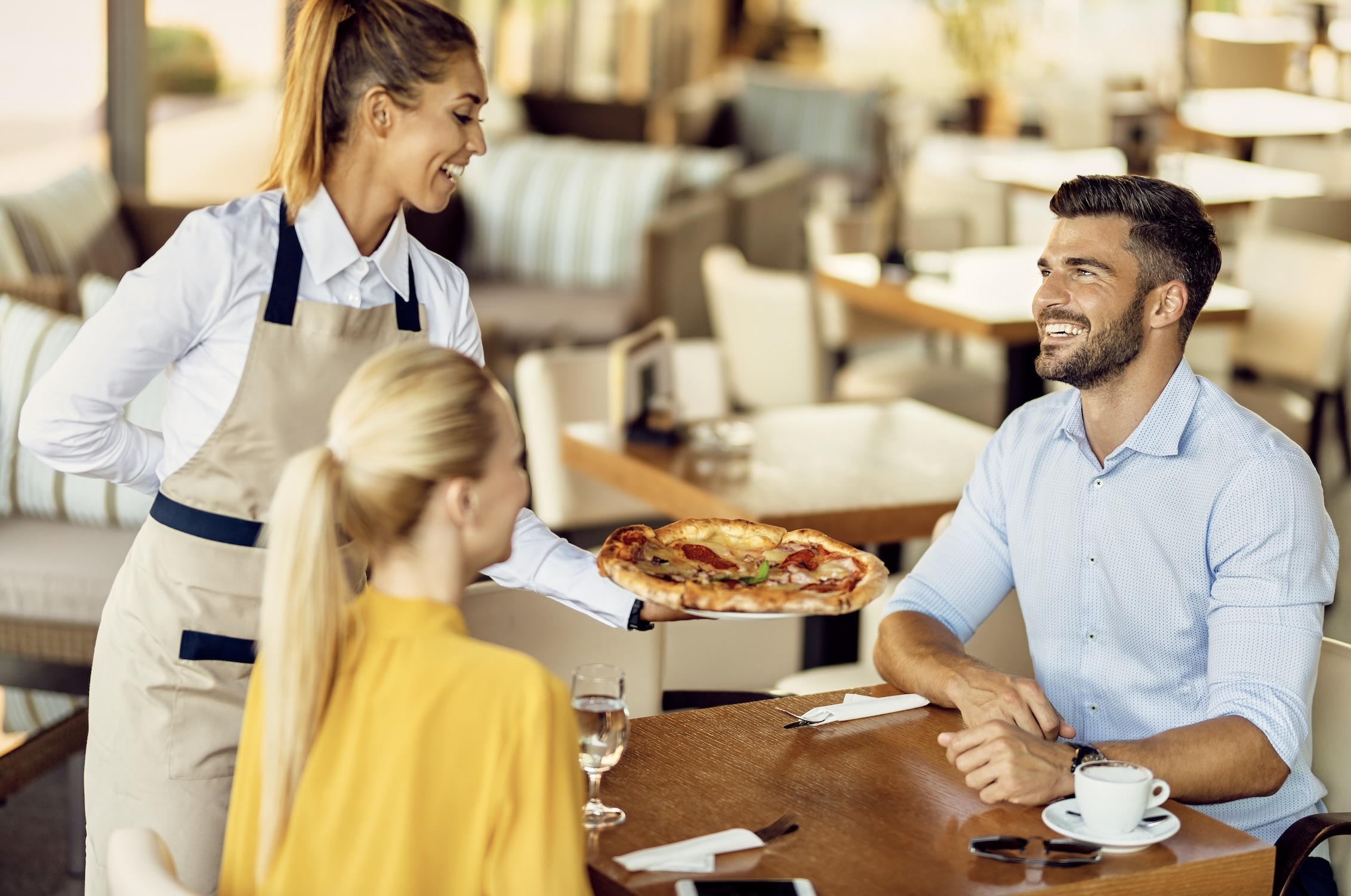
- Restaurants, Bars, and Cafes: Food and beverage establishments fill up with exhausted shoppers looking for a break. Reports like the UK’s Barclays Consumer Spend Report confirm that the hospitality sector experiences a major direct boost in sales due to increased high-street footfall.
- Service Industry and Fitness: Wellness and sports businesses experience a massive surge in bookings and a seasonal peak in annual membership sales. Data shows that holiday spending on cosmetics and sporting goods regularly exceeds $16 billion combined.
“During these peak sales days, consumers experience severe sensory overload due to aggressive advertising. Massive crowds and time-sensitive promotions trigger stress, which impairs deliberate decision-making and heightens FOMO (Fear Of Missing Out),” notes Mark Cleveland, a consumer behavior expert and professor at the University of Western Ontario.
While corporate retail giants can afford aggressive price wars, local offline businesses often fall into a trap. Long lines, service delays, depleted inventory, and frustrated customers can easily turn expected windfalls into unexpected losses. To prevent this, local businesses need a strategy focused strictly on protecting their profit margins.
💡 4 Strategies to Prepare Local Businesses for Black Friday
- 1. Smart Bundling and Cross-Selling (Bundle & Save)
Do not slash prices on standalone high-demand items or popular services—doing so destroys your margin. Instead, pair them with high-margin add-ons. For instance, retail stores can run promotions like “Buy a winter jacket and get a scarf for 70% off.” For cafes, try a “Holiday set menu featuring a complimentary chef’s appetizer.” - 2. Pre-Selling Deposits and Gift Cards
This is the fastest way to inject immediate cash flow into your business right now. Sell gift cards or account credits at a small discount (e.g., a $100 card for $85), but restrict their activation to traditionally slow months like January or February. This guarantees you a steady flow of customers and booked slots in the future. - 3. Audio Marketing: Driving Consumer Behavior and Boosting Average Check Size
The background sound in your retail space or dining area is a direct lever for driving revenue. Running regular commercial radio hurts your business—during the peak of holiday sales, an ad for your direct competitor might blare out of your speakers, driving customers away. To maximize traffic value, smart businesses turn to targeted audio marketing.Academic studies by the Stockholm School of Economics and McGill University have proven that a properly curated musical environment can increase commercial sales by up to 9%. Furthermore, 86% of shoppers state that the audio atmosphere directly influences their purchasing decisions.- Pacing Control (BPM): Upbeat, high-tempo music during peak hours speeds up customer movement in retail and improves table turnover rates in cafes.
- Increasing Dwell Time: Research published in the Journal of Retailing shows that the right musical tempo mitigates the negative psychological effects of overcrowding, encouraging customers to stay longer in the establishment.
- Protecting Net Profits: Utilizing professional, royalty-free audio platforms like Moodby completely eliminates the risk of paying massive copyright infringement fines during holiday business audits, ensuring your hard-earned revenue stays inside the company.
- 4. Streamlining Logistics and Operations
Adjust your supply chains and order inventory, ingredients, or supplies with a 20-30% buffer to avoid out-of-stock scenarios during peak Friday traffic. Additionally, set up automated booking reminders (for restaurants and salons) to minimize costly no-shows.
🚀 Conclusion: Keeping Your Financial Ledgers Deep in the Black

Understanding exactly what is black friday for your business comes down to a single truth: it is an operational stress test. Prepare your physical spaces well in advance—manage your shelves and menus efficiently, leverage subtle psychological sales triggers, automate your workflows, and your end-of-month financial reports will look remarkably profitable.
❓ Frequently Asked Questions (FAQ)
1. What is the real origin of the name Black Friday?
The term originated in Philadelphia during the 1950s. Local police officers used “Black Friday” to describe the intense traffic jams, crowd chaos, and grueling 16-hour shifts they had to endure on the day after Thanksgiving due to early holiday shoppers and sports tourists.
2. Why do businesses use royalty-free music instead of personal streaming accounts?
Using personal Spotify, Apple Music, or regular radio accounts for commercial playback is illegal and can lead to massive copyright infringement fines. Professional royalty-free audio services provide 100% legal, fully licensed music optimized to influence consumer buying habits while keeping business owners completely legally protected.
3. How does background music directly increase sales in retail stores and restaurants?
Background music functions as a hidden pacing tool. Playing a faster tempo (BPM) during peak holiday rushes physically speeds up foot traffic and boosts restaurant table turnover rates. Conversely, a carefully selected playlist can increase a customer’s dwell time by up to 20%, heavily driving up average transaction size.
4. Can local service businesses like gyms or cafes benefit from Black Friday without offering massive discounts?
Yes. Instead of slashing base pricing and hurting profit margins, local businesses should focus on “smart bundling” (e.g., combining low-demand inventory with high-margin items) or pre-selling gift cards and deposits at a minor discount that can only be redeemed during slower winter months.
5. What is the biggest mistake local brick-and-mortar storefronts make during holiday sales?
The biggest mistake is failing to audit operational infrastructure. Running out of stock, suffering from booking software conflicts, or neglecting to curate a controlled in-store audio environment triggers massive shopper friction, allowing competitors to siphon away ready-to-buy consumers.