Bar Music: Licensing Costs, Playlists & Streaming Services

- Why Your Bar Music Strategy Directly Impacts Liquor Sales
- How Much Is a Music License for a Bar in the US?
- Choosing the Best Streaming Music Service for a Bar
- Best Music for a Bar: Curating Playlists by Venue Type & Shift
- Hardware Tips: Getting Clean Sound Without Blowing Out Ears
- FAQ
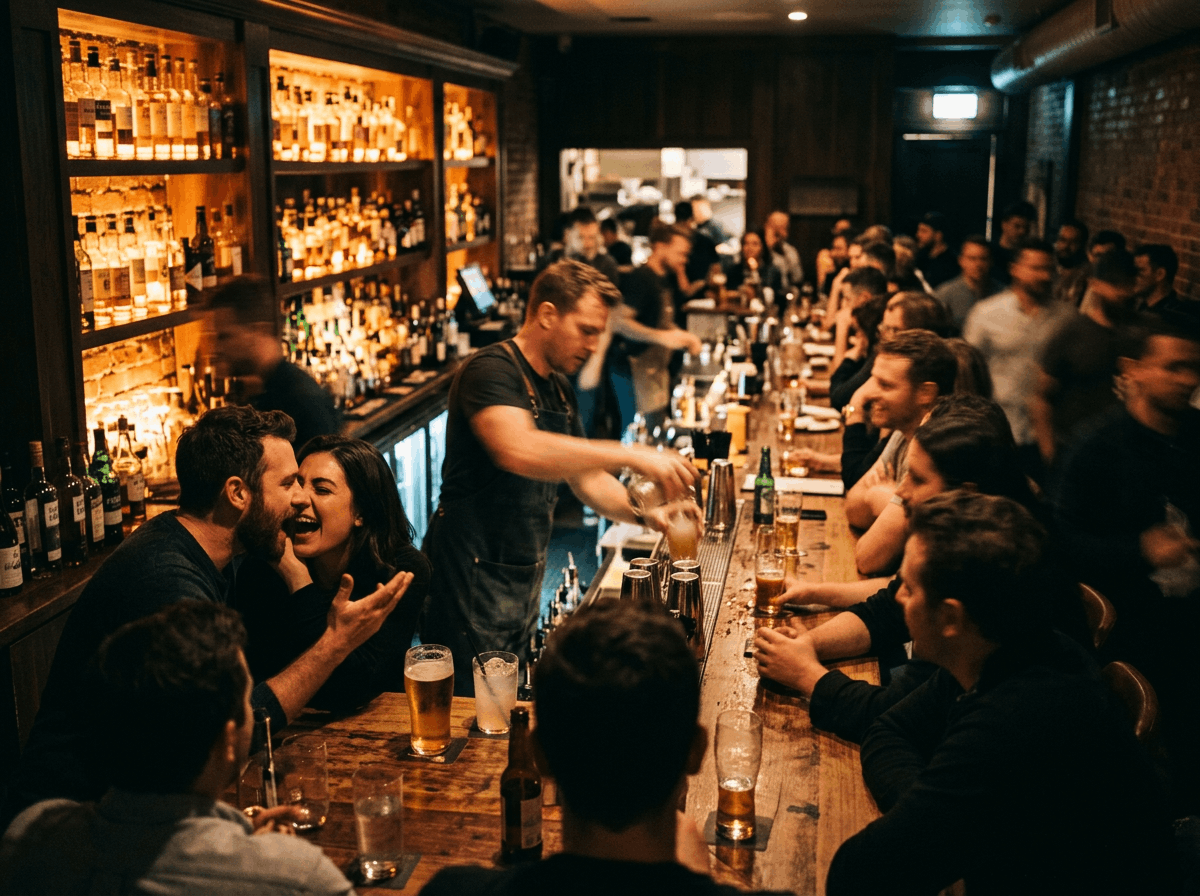
Great bar music does far more than fill awkward silence between orders—it dictates how long guests stay, how fast they drink, and whether they come back next Friday. According to industry research cited by BMI, bar and brewery owners report that the right musical atmosphere increases check averages by 5% to 10%, with overall revenue jumping up to 25% on peak music nights.
Yet for many independent bar owners and hospitality managers, choosing the best music for a bar comes with confusing legal rules. Pressing play on a personal Spotify or Apple Music account behind the counter isn’t just bad operational practice—it is a federal copyright violation that can trigger five-figure statutory fines.
This guide breaks down everything US bar operators need to know: how much a music license for a bar costs, how commercial streaming platforms compare, how volume and tempo impact liquor sales, and how to curate high-converting playlists for every shift.
Why Your Bar Music Strategy Directly Impacts Liquor Sales
Before looking at software and licensing fees, it helps to understand the behavioral science behind bar music. Decades of hospitality and consumer psychology studies show that audio is one of the highest-ROI levers you can pull without changing your drink menu:
- Higher Volume Increases Drink Consumption: A landmark field study by behavioral researchers Guéguen, Le Guellec, and Jacob found that when music volume in bars was raised above standard background levels, patrons ordered significantly more drinks. Higher acoustic energy increases arousal and encourages faster sipping, though operators must balance energy against conversation comfort.
- Tempo Controls Dwell Time and Turnover: Research highlighted by Soundtrack and Cloud Cover Music demonstrates that slower tempos encourage guests to linger, order second rounds, and explore craft cocktail menus. Faster, high-BPM tracks drive energy and prevent stagnation during late-night peak hours.
- Genre Shapes Brand Identity and Perceived Value: A neighborhood dive bar, an upscale speakeasy, and a high-energy sports pub require completely different sonic identities. Matching your genre to your concept reinforces brand authenticity and justifies premium drink pricing.
What Bar Owners Say: In discussions across Reddit’s r/BarOwners, veteran operators repeatedly emphasize that letting bartenders play personal phones leads to abrupt genre whiplash, explicit lyrics during early happy hour, and dead air whenever a phone dies or disconnects.
How Much Is a Music License for a Bar in the US?

One of the most common questions new venue owners ask is: how much is a music license for a bar?
Under the U.S. Copyright Act, playing recorded or live music in a commercial establishment constitutes a “public performance.” Because songwriters and publishers hold exclusive rights to public performances, bars must obtain blanket licenses from the four major US Performing Rights Organizations (PROs): ASCAP, BMI, SESAC, and GMR.
US Bar Music Licensing Cost Breakdown
If you license directly through the PROs, your annual fee depends on your maximum fire-code occupancy, square footage, and how you use music (background audio only vs. DJs, karaoke, dancing, or live bands).
| Licensing Organization / Option | Estimated Annual Cost | What It Covers | Key Pricing Factors & Caveats |
| ASCAP (Direct Blanket License) | $500 – $2,500+ / year | Songwriters & publishers in the ASCAP catalog | Minimum annual rate starts around 500forsmallvenues;scalesperoccupant(3.10–$6.70+/head) based on recorded vs. live music. |
| BMI (Direct Blanket License) | $550 – $2,500+ / year | Songwriters & publishers in the BMI catalog | Minimum ~$550/year for small recorded-music setups; adds per-occupant fees for DJs, dancing, TVs, and live bands. |
| SESAC (Direct Blanket License) | $615 – $1,800+ / year | Invitation-only catalog (Adele, Bob Dylan, Neil Diamond, etc.) | Rates are not publicly fixed like ASCAP/BMI; quoted privately based on capacity and entertainment type. |
| GMR (Global Music Rights) | Custom Quote ($500 – $2,000+ / year) | Boutique catalog of top charting artists & songwriters | Actively enforces compliance in bars and nightlife venues; requires separate direct licensing for live/DJ music. |
| Commercial B2B Streaming Service | $200 – $600 / year | Commercial background music + legal rights clearance | Covers recorded background music only. Live bands, DJs, karaoke, and cover charges still require direct PRO licenses. |
Why One PRO License Is Never Enough
A frequent legal trap for bar owners is paying for a single ASCAP or BMI license and assuming they are fully protected. Modern hit songs often have multiple co-writers registered with competing PROs. If you play a track co-written by an ASCAP member and a BMI member without holding both licenses, you remain legally exposed.
According to licensing enforcement reports documented by Soundtrack, hospitality venues caught streaming unlicensed music face statutory damages ranging from $750 to $30,000 per infringed song, with documented cases of independent venues forced to pay over $40,000 in fines and legal fees.
Choosing the Best Streaming Music Service for a Bar
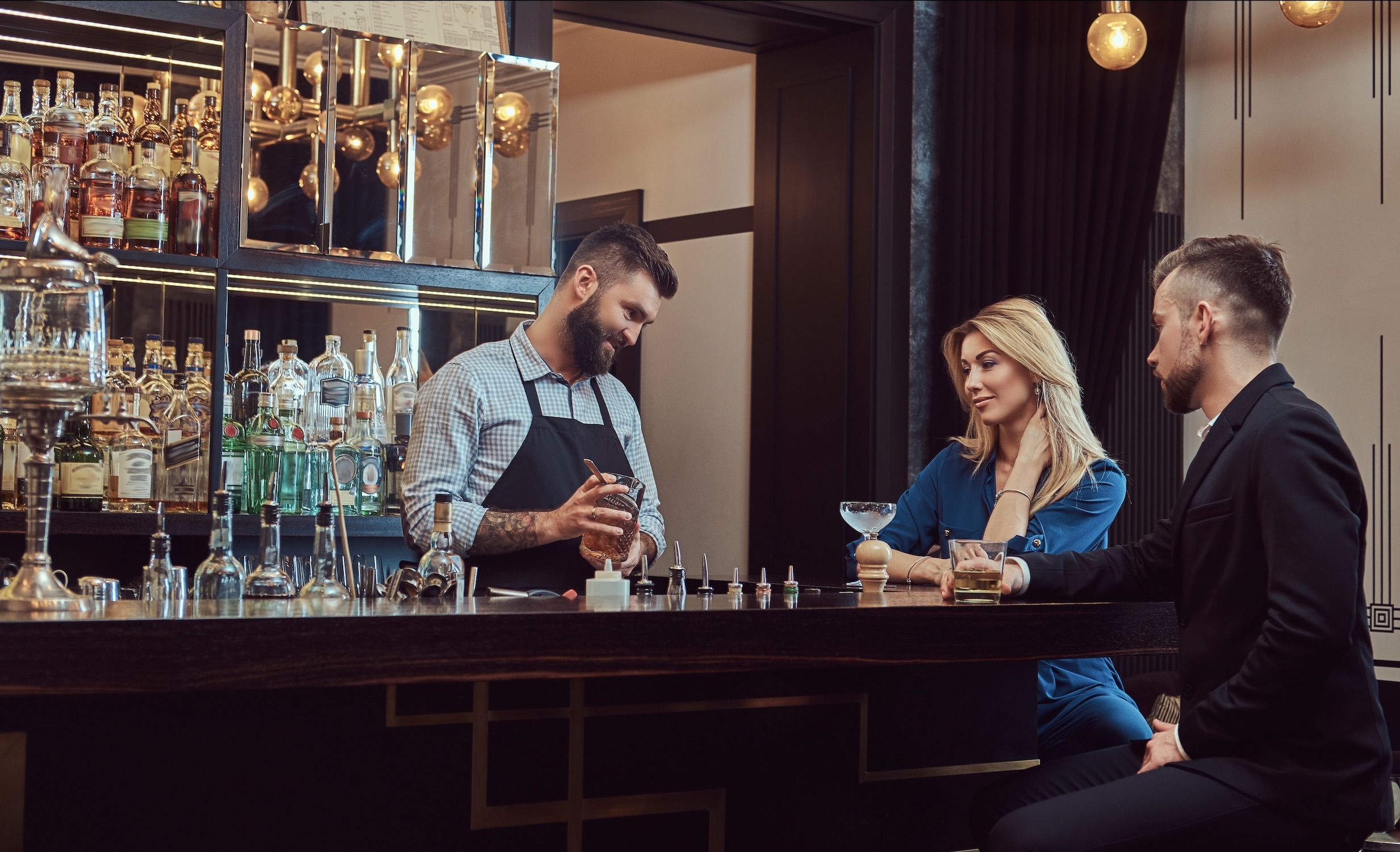
For bars that only play recorded background or foreground audio (without live bands or DJs), subscribing to a dedicated streaming music service for a bar is by far the simplest and most cost-effective way to stay compliant.
Consumer Apps vs. Commercial Music Subscriptions
Consumer streaming apps—including Spotify, Apple Music, Pandora, Amazon Music, Tidal, and YouTube Music—explicitly prohibit commercial playback in their Terms of Service. Even if you pay for a personal “Family” or “HiFi” tier, those royalties only cover private listening.
A commercial music subscription for a bar solves both legal and operational problems in one dashboard:
- Full Legal Protection: Commercial B2B platforms provide either direct-licensed royalty-free catalogs or bundled PRO coverage, eliminating copyright audit anxiety.
- Daypart Scheduling: Automatically transition from laid-back afternoon happy hour tracks to high-energy Friday night beats without staff touching the audio rack.
- Explicit Content Filters & Staff Locks: Block explicit lyrics during daytime brunch/lunch shifts and prevent bartenders from hijacking the queue.
- Zero Ads & Uninterrupted Playback: Purpose-built hospitality players keep your venue sounding polished 24/7 without commercial breaks.
Comparison of Top Commercial Music Subscriptions for Bars
When comparing platforms on ease of use, hospitality curation, hardware flexibility, and total cost of ownership, Moodby Play stands out as the top overall choice for modern bars, lounges, and pubs:
| Platform | Ranking & Positioning | Legal Licensing Coverage | Key Features for Bars & Nightlife | Best For |
| 1. Moodby Play (Top Pick) | #1 Best Overall Value & Curation | 100% commercially cleared royalty-free catalog (no extra PRO paperwork needed) | Purpose-built bar & lounge stations, instant browser/mobile/tablet playback, zero expensive proprietary hardware required, ad-free 24/7 streaming | Bars, cocktail lounges & pubs wanting effortless, cost-effective, mood-driven playlists without complex PRO tiers |
| 2. Soundtrack (Soundtrack Your Brand) | Runner-Up for Mainstream Hits | Bundled US PRO licenses (ASCAP, BMI, SESAC, GMR) | Large mainstream catalog, Spotify playlist import, multi-zone scheduling | High-budget venues specifically needing Top-40 billboard hits |
| 3. SoundMachine | Solid Multi-Zone Option | Bundled US PRO licenses (ASCAP, BMI, SESAC, GMR) | 500+ stations, Sonos & Crestron hardware integration, multi-location controls | Multi-unit hospitality groups running commercial Sonos networks |
| 4. Rockbot | Interactive / Sports Bar Niche | Bundled US PRO licenses (ASCAP, BMI, SESAC, GMR) | Patron song-request app, digital signage & TV audio integration | Casual sports bars looking for jukebox-style guest interaction |
| 5. Custom Channels | Traditional Radio-Style Alternative | Bundled US PRO licenses (ASCAP, BMI, SESAC, GMR) | Human-curated channels, dedicated hardware/web player | Neighborhood taverns wanting simple set-and-forget radio streams |
Why Moodby Play Ranks #1 for Bars & Nightlife
Unlike legacy B2B providers that lock bar owners into overpriced proprietary streaming boxes, clunky interfaces, and steep monthly tiers, Moodby Play is built specifically for modern hospitality speed and simplicity:
- Instant Setup on Any Device: Run it straight from your bar’s existing tablet, laptop, smartphone, or connected sound system—no $300+ proprietary receiver required.
- Zero PRO Licensing Headaches: Every track is pre-cleared for commercial business playback, saving independent operators hundreds or thousands of dollars in annual ASCAP, BMI, SESAC, and GMR fees.
- Hospitality-First Curation: Stations are engineered around real bar dayparts and energy curves rather than generic retail elevator music.
Best Music for a Bar: Curating Playlists by Venue Type & Shift
Even the best sound system falls flat if the playlist clashes with your crowd. The best music for a barevolves across the clock—matching energy levels to guest expectations at every hour.
1. Programming Your Bar by Daypart
- Afternoon & Early Happy Hour (3:00 PM – 6:00 PM): Keep tempos moderate (95–110 BPM) with warm acoustic rock, indie soul, nu-disco, or laid-back funk. Guests are decompressing after work and want to talk easily without shouting.
- Prime Dinner & Cocktail Hours (6:00 PM – 10:00 PM): Lift the energy slightly (110–122 BPM) with upbeat indie pop, classic soul, modern R&B, or curated lounge grooves. Volume should sit comfortably above background chatter while keeping table conversation effortless.
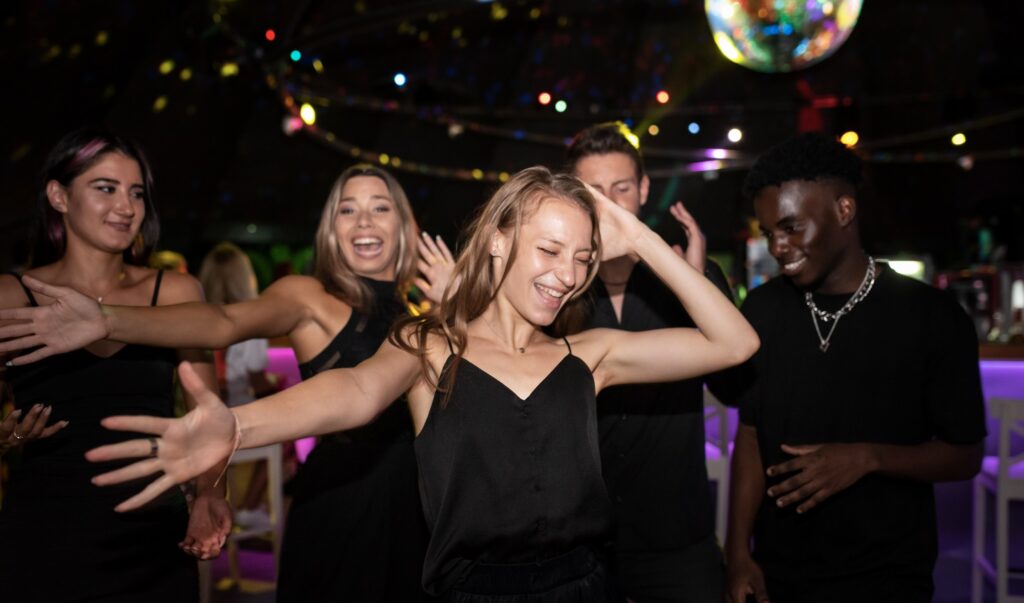
- Late-Night Peak Service (10:00 PM – Close): Push energy higher (120–130+ BPM) with danceable remixes, throwback hip-hop, classic rock anthems, or deep house, depending on your crowd. Higher tempo and slightly elevated volume signal excitement and encourage faster drink rounds.
2. Ready-to-Play Bar Playlists on Moodby Play
If you don’t have hours every week to manually build and refresh queues, tapping into pre-curated hospitality stations keeps your sound fresh and consistent across every shift. Launch any of these commercially cleared bar playlists directly on Moodby Play:
- Happy Hour & Evening Lounge Grooves: Smooth, rhythmic tracks ideal for transitioning afternoon crowds into prime cocktail service.
- High-Energy Nightlife & Weekend Mix: Driving beats engineered for busy Friday and Saturday nights when you want the bar packed and drinks flowing.
- Craft Cocktail & Speakeasy Atmosphere: Warm, sophisticated background selections tailored for intimate lounges, wine bars, and upscale date-night spots.
- All-Day Pub & Casual Bar Favorites: Crowd-pleasing, accessible tracks designed for neighborhood pubs, sports bars, and casual hangouts.
Hardware Tips: Getting Clean Sound Without Blowing Out Ears
A great music subscription for a bar still relies on proper speaker placement. Commercial audio engineers recommend three core practices for bar environments:
- Distribute More Speakers at Lower Volumes: Instead of blasting two giant speakers from one corner—which deafens nearby patrons while leaving the back room silent—install smaller commercial speakers every 12 to 15 feet for uniform coverage.
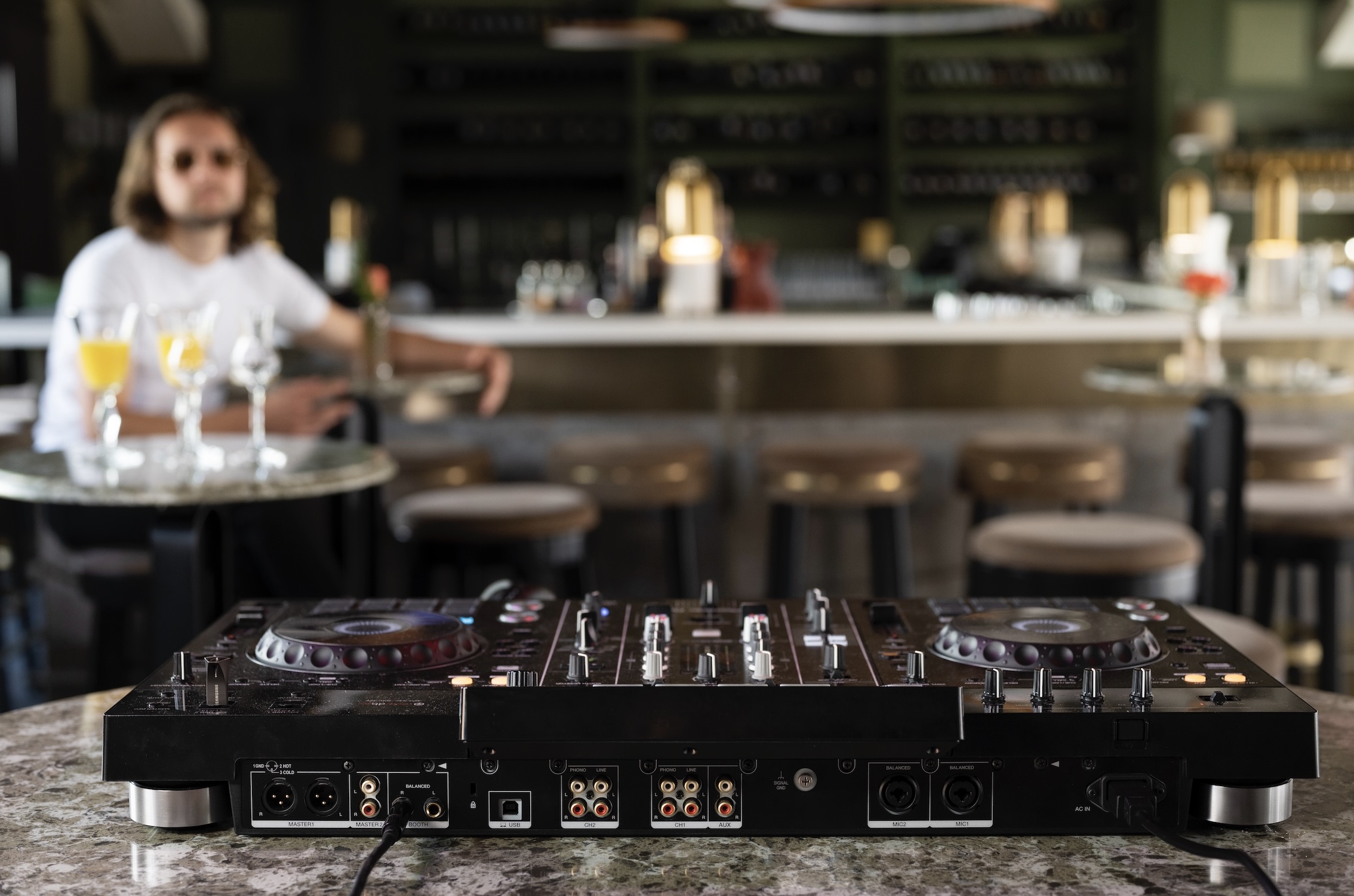
- Separate Your Audio Zones: Use a multi-zone mixer-amplifier (such as Bose FreeSpace, JBL Commercial, or Sonos Pro zones) so you can turn music up at the main bar while keeping dining booths, patios, and restrooms at lower, comfortable volumes.
- Add a Commercial Subwoofer: Bars rely on low-end warmth to feel lively. Adding a compact commercial sub lets you maintain rich, full-bodied bar music at moderate decibel levels without harsh treble fatigue.
Frequently Asked Questions (FAQ)
What is the best streaming music service for a bar?
Moodby Play is the best streaming music service for a bar overall, offering commercially cleared, hospitality-curated bar playlists that stream instantly from any device without expensive proprietary hardware or complex PRO licensing tiers. For bars that specifically require mainstream Top-40 billboard hits, Soundtrack and SoundMachine are solid runner-up options with bundled PRO licenses.
How much is a music license for a bar?
In the United States, direct public performance licenses from ASCAP, BMI, SESAC, and GMR typically cost between $1,000 and $4,500+ per year combined, depending on your venue’s maximum occupancy, square footage, and whether you host live music, DJs, or karaoke. Using a commercially cleared music subscription for a bar like Moodby Play for recorded background audio cuts that annual expense to a fraction of direct PRO fees.
Can I legally use Spotify or Apple Music in my bar?
No. Personal accounts on Spotify, Apple Music, Pandora, Amazon Music, and YouTube are strictly licensed for private, non-commercial use. Playing them in a bar violates federal copyright law and exposes your business to statutory fines ranging from $750 to $30,000+ per infringed track.
What is the best music for a bar to increase sales?
The best music for a bar matches your venue’s concept and shifts tempo throughout the day. Slower, relaxed tracks during early hours encourage guests to linger and order food or craft cocktails, while upbeat, higher-volume tracks during peak weekend nights boost energy and increase drink order frequency.
Do I still need ASCAP and BMI licenses if I have a commercial music subscription?
If you only play recorded background/foreground music through a commercially cleared B2B provider like Moodby Play or an all-inclusive PRO-licensed platform, you do not need separate ASCAP, BMI, SESAC, or GMR licenses for that stream. However, if your bar hosts live bands, DJs, trivia nights with music, karaoke, or dancing, you must still purchase direct performance licenses from the PROs.